Best Shipping Label Printer: The Professional 2026 Guide to In-House Color Printing
2nd Jul 2026
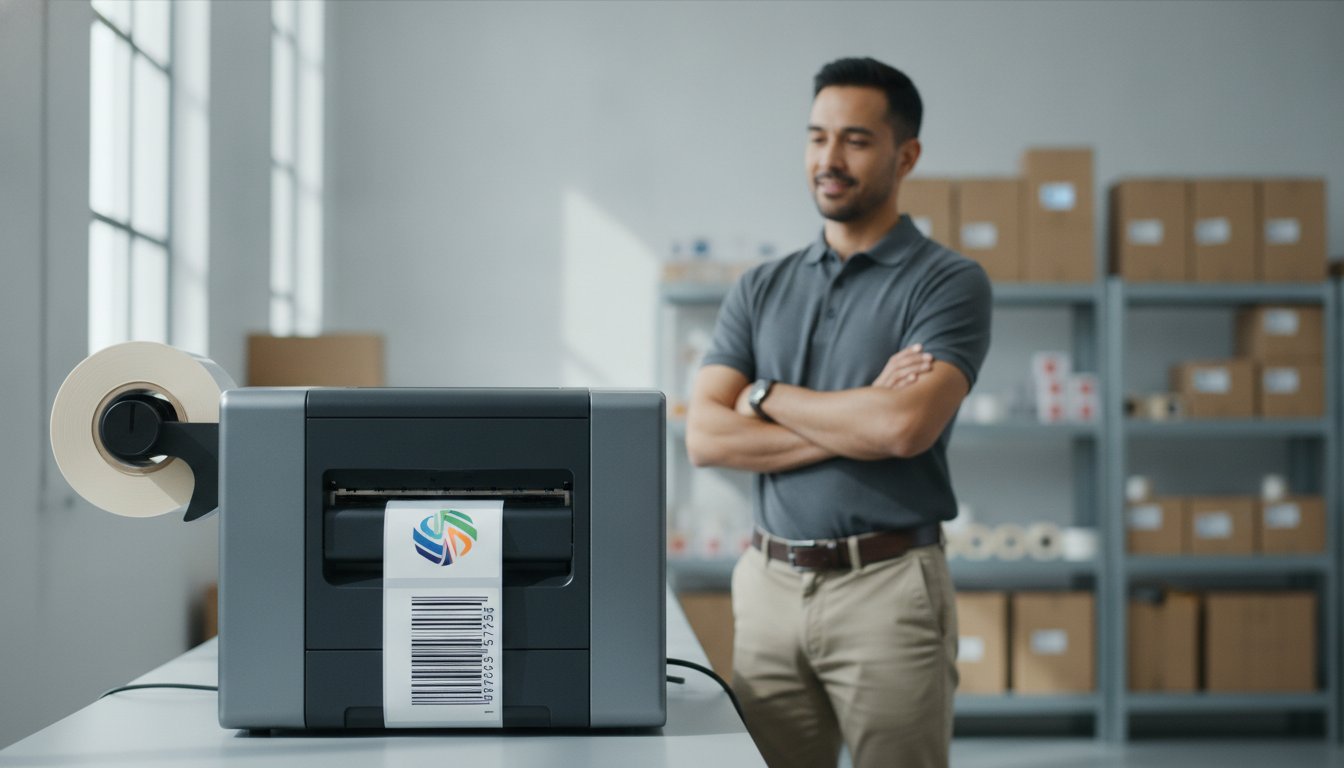
Did you know that the initial price of your hardware usually only accounts for 20% to 30% of your long-term expenses? It's a common trap for growing businesses. Most owners focus on the sticker price while ignoring the 60% to 80% they'll eventually spend on ink and label stock. You've likely dealt with the headache of a delivery delay because of a smudged barcode or felt the sting of high costs for small pre-printed batches. Finding the best shipping label printer for your operation means looking past the hardware to find a balance of speed, durability, and industrial-grade efficiency.
We'll show you how to produce waterproof, professional-grade labels that integrate perfectly with your current shipping software. With USPS, UPS, and FedEx all implementing rate hikes in 2026, controlling your in-house costs has never been more vital. This guide highlights the top-rated color printers for the year and explains how to choose between pigment and dye inks to keep your costs low and your shipments moving. You'll learn how to achieve a full return on investment in as little as 8 to 24 months by bringing your production in-house.
Key Takeaways
- Learn why professional inkjet technology is the superior choice over consumer thermal options for creating durable, branded shipping labels.
- Compare the top models for 2026, including the versatile Epson ColorWorks C6000A and the high-speed Afinia L801, to find the best shipping label printer for your specific business volume.
- Understand the critical difference between dye and pigment inks to ensure your labels remain waterproof and BS5609-compliant for international marine shipping.
- Calculate your true return on investment by identifying hidden outsourcing costs like plate fees, shipping delays, and inventory waste.
- Discover how to streamline your daily workflow using BarTender Professional software to automate barcode serialization and label design.
Shipping Label Technology: Why Professional Inkjet Outperforms Consumer Thermal
For years, monochrome thermal was the default for warehouses. It was fast and cheap. But in 2026, e-commerce branding starts at the doorstep. Professional inkjet has become the premium standard because it allows you to print high-resolution logos and marketing messages directly on your shipping media. While many still look for a basic thermal unit, the best shipping label printer for a modern brand is often a color inkjet system that handles both logistics and marketing in one pass.
Some small businesses try consumer-grade ZINK (Zero Ink) printers. Don't do this. ZINK labels are extremely expensive per inch and fade quickly when exposed to heat or sunlight. They aren't built for the rigors of logistics. Similarly, standard direct thermal labels are prone to smudging and turning black if they get too warm in a delivery truck. The evolution of label printing technology now favors pigment-based inkjet systems that offer superior durability and visual appeal.
Historically, "prime labels" were the high-quality, full-color stickers on your product, while "shipping labels" were the boring white stickers on the box. Professional inkjet technology merges these two categories. Now, your shipping label can be a "prime" experience. This means your customer sees a vibrant, professional brand identity before they even open the package. Choosing the best shipping label printer for 2026 involves looking at how color can reduce your total cost of ownership by eliminating the need for pre-printed branded boxes.
Professional Inkjet: The Standard for 2026 Branding
Modern pigment-based inks are designed to survive. These inks bind with the fibers of inkjet labels to create a surface that resists water, oil, and chemicals. This is vital for national shipping where packages face rain and rough handling. By using a machine like the Epson ColorWorks C6000A, you can produce high-contrast, scannable barcodes alongside full-color graphics. Printing in-house also means you don't have to store thousands of pre-printed labels that might become obsolete if your logo changes or you add new SKUs.
Memjet Technology: Speed for High-Volume E-commerce
If you ship thousands of packages every day, you need speed. Memjet technology, found in machines like the Afinia L801, uses a "waterfall" printhead that stays stationary while the label stock moves underneath. This allows for incredible throughput, often reaching speeds of 60 feet per minute. It's significantly faster than most traditional industrial thermal printers while maintaining 1600 dpi resolution. This technology is perfect for businesses that need to print branded Afinia L801 labels in massive quantities without sacrificing the professional look of their packaging.
Best Professional Color Shipping Label Printers for 2026
Choosing the best shipping label printer for your business isn't just about finding the cheapest unit on the shelf. It's about matching your daily output with a machine that can keep up with your growth. While hobbyist models might work for a few labels a week, professional e-commerce brands need industrial reliability and consistent color. We categorize these professional solutions into three tiers based on your daily needs.
- Small Batch (Up to
Durability Standards: Waterproof, Chemical, and GHS-Compliant Shipping Labels
A shipping label is only useful if it stays legible until it reaches its destination. While standard thermal labels might survive a trip across town, international logistics and harsh warehouse environments require a higher level of protection. If your labels fade in the sun or smudge when they get wet, you risk lost inventory and frustrated customers. Finding the best shipping label printer for 2026 means looking at how the machine handles specialized inks and durable media.
The secret to professional durability lies in the choice between dye and pigment inks. Dye inks are known for their incredible vibrancy and wide color gamut, making them perfect for high-end retail packaging. However, they lack the staying power of pigment inks. Pigment-based systems use solid particles of color that sit on top of the label surface. This creates a bond that is naturally resistant to UV rays, moisture, and chemical exposure. For logistics, pigment ink is the only choice that ensures your barcodes remain scannable after days in a damp delivery truck.
Pairing the right ink with the right media is equally critical. You can't achieve industrial durability on standard paper. You need specialized matte chemical labels that are engineered to absorb pigment ink while resisting environmental stress. When these elements work together, you get a label that won't peel, crack, or fade, even in extreme conditions.
Meeting GHS Requirements for Chemical Shipping
If you ship chemicals, compliance isn't optional. The Epson C6000 series has become the industry standard for GHS labeling because it handles the complex requirements of the Globally Harmonized System with ease. These printers use specialized adhesives designed to grip tightly to plastic drums and metal containers. BS5609 compliance is a three-part certification that validates the combined performance of the ink, the label media, and the adhesive under extreme marine conditions. This standard ensures that if a drum is lost at sea, the warning label remains legible and attached after three months of saltwater submersion.
Boutique Durability: Bath, Beauty, and Cold Storage
Durable labeling isn't just for industrial chemicals. If you sell soaps, essential oils, or frozen foods, moisture is your enemy. Cosmetics brands often perform an "alcohol rub" or "smudge test" to ensure their branding doesn't dissolve when a customer handles the product with wet hands. The best shipping label printer for these boutique brands will offer a pigment ink solution that prevents ink migration. For cold storage, you'll want to select media with a "cold-temp" adhesive that won't lose its grip when the temperature drops below freezing. This ensures your shipping information stays put from the freezer to the front door.
The ROI of In-House Shipping Labels: Saving Beyond the Hardware
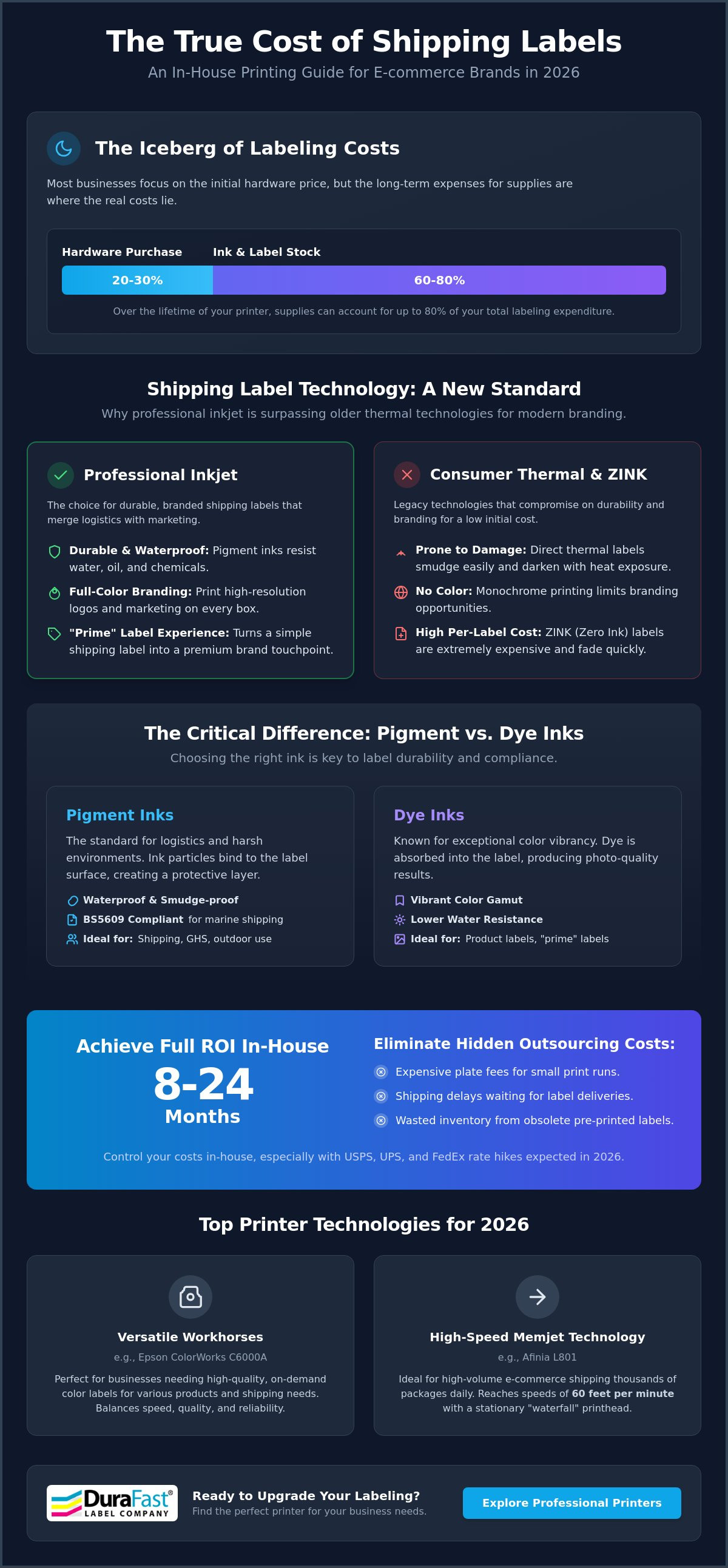
The initial purchase price of a commercial printer represents only 20% to 30% of its total cost of ownership. The real expenses live in the consumables and the operational inefficiencies of outsourcing. When you rely on a third-party printer, you aren't just paying for ink and paper. You're paying for their overhead, shipping costs, and the inevitable plate fees that accompany every design tweak. Finding the best shipping label printer for your budget requires looking at the long-term savings of "Just-in-Time" production.
In-house printing eliminates the silent profit killer known as obsolescence. If you rebrand or change a SKU, your existing stock of pre-printed labels becomes trash. By printing on demand, you eliminate this waste entirely. Most businesses find that a professional-grade system pays for itself quickly. Depending on your volume, you can achieve a full return on investment in as little as 8 to 24 months. This transition transforms a recurring expense into a controlled, predictable asset.
Flexibility is another major factor in your ROI. Do you need five labels for a new product prototype? Or 5,000 for a national launch? An in-house system handles both without the premium surcharges associated with short-run outsourced orders. If you're ready to see how these numbers apply to your specific volume, you can reach out to our team for a personalized cost analysis.
Eliminating Minimum Order Quantities (MOQs)
Small businesses often overpay for labels because they're forced to meet high MOQs to get a decent price per unit. You end up storing thousands of labels you might never use. On-demand printing gives you the freedom to customize every batch for seasonal promotions or limited-run products. This agility is a competitive advantage. For a deeper look at the transition process, check out our guide on how to print your own product labels.
Streamlining Warehouse Fulfillment Speed
Waiting 10 days for an outsourced shipment can stall your entire fulfillment chain. In-house production reduces that lead time to 10 seconds. Integrating color into your best shipping label printer setup also helps warehouse staff identify package types at a glance, which significantly reduces manual labeling errors. Professional hardware is built for this constant use. Unlike consumer "label makers" that overheat or jam, industrial inkjet systems provide the uptime needed to keep your shipping dock moving during peak seasons.
Optimizing Your Workflow: Label Software and Professional Media
Buying the hardware is just the first step. To truly get the most out of the best shipping label printer for your facility, you need to think about the digital and physical components that surround it. A high-speed printer is only as good as the software driving the data and the media it prints on. If your software is clunky or your labels are low-quality, your investment won't deliver the ROI you expect. You've already invested in quality; now it's time to ensure your workflow is just as professional.
We recommend sourcing your ink, media, and technical support from a single specialized supplier. This ensures compatibility and prevents the frustration that happens when a generic label jams an industrial printhead. Consistency is the key to maintaining 2026-level printhead longevity. Establishing a routine maintenance schedule, such as regular cleaning cycles and environment checks, will keep your shipping dock operational even during peak holiday demand.
Professional Automation with BarTender Software
Automation is what separates a professional operation from a manual one. BarTender Professional software allows you to link your printer directly to your Excel sheets or ERP databases. This eliminates the need for manual data entry, which is the primary cause of shipping errors. You can generate complex 2D barcodes like Data Matrix or QR codes for advanced package tracking with just a few clicks. The "What You See Is What You Get" (WYSIWYG) design interface ensures your branding remains consistent across every SKU you ship. It's about making sure the best shipping label printer has the best instructions to follow.
Sourcing Industrial Supplies and Support
Don't be tempted by generic bargain labels. These often have rough surfaces or inconsistent adhesives that cause premature wear on expensive inkjet printheads. Using media specifically tested for your machine protects your warranty and your uptime. While our focus here is on color inkjet, many warehouses still utilize monochrome systems for secondary tasks. In those cases, using high-quality thermal transfer ribbons ensures your secondary labels remain crisp and scannable.
Ready to finalize your setup? Follow this final checklist to move from hardware selection to your first professional print:
- Match your printer model to your daily volume requirements (Small Batch vs. Industrial).
- Select pigment-based ink for maximum durability and GHS compliance.
- Install BarTender software for seamless database integration.
- Source certified media and ribbons to protect your hardware.
If you're ready to make the switch and streamline your fulfillment, contact our experts for a custom quote to get started on your 2026 labeling strategy.
Future-Proof Your Fulfillment Strategy
Switching to in-house color printing is more than just a hardware upgrade. It's a strategic move to boost your brand's professional image while slashing long-term costs. You've seen how on-demand production eliminates the waste of pre-printed inventory and how pigment inks ensure your labels survive the toughest logistics journeys. Selecting the best shipping label printer for your specific volume is the key to unlocking these efficiencies in 2026.
As an Epson Authorized Diamond Partner, we specialize in helping businesses navigate complex requirements like GHS and BS5609 compliance. We provide full North American support and the specialized consumables you need to keep your warehouse running smoothly. Don't let smudged barcodes or high outsourcing fees slow your growth.
Ready to optimize your labeling process? Get a Custom Quote on Professional Shipping Label Printers and see how much you can save. We're here to help you make the transition to professional in-house printing simple and stress-free.
Frequently Asked Questions
What is the best color label printer for a small business in 2026?
The Primera LX series, specifically models like the LX910 or LX4000, is the top choice for small businesses. These units provide photo-quality branding without the massive footprint of industrial presses. They're perfect for daily volumes under 500 labels and offer the flexibility to switch between dye and pigment inks depending on your product's durability needs.
Can I print waterproof shipping labels with a standard inkjet printer?
No, standard office inkjet printers usually use dye-based inks that smudge when exposed to moisture. To achieve truly waterproof results, you need a professional system using pigment-based inks paired with treated synthetic media. This combination ensures the ink binds with the label surface to resist water, oils, and harsh environmental conditions during transit.
How much does it cost to print professional shipping labels in-house?
While the initial hardware is a capital investment, the operational cost for ink and media is often a fraction of what you'd pay for outsourced small batches. By printing the best shipping label printer results on demand, you avoid the hidden costs of plate fees and shipping delays. This approach also eliminates inventory waste since you only print exactly what you need for each day's shipments.
What is the difference between dye and pigment ink for shipping labels?
Dye inks offer the most vibrant colors and are ideal for high-end retail packaging where visual "pop" is the priority. Pigment inks are the industrial standard for durability because they use solid particles that resist UV fading and chemical exposure. For shipping labels that must survive rain and rough handling, pigment ink is the safer and more reliable choice.
Do I need special software like BarTender to run an industrial label printer?
While you can print from basic applications, BarTender Professional is highly recommended for automating your workflow. It allows you to pull data directly from Excel or ERP systems to eliminate manual entry errors. This software also simplifies the creation of complex 2D barcodes and ensures your branding stays consistent across every SKU in your warehouse.
Is Memjet or standard Inkjet better for high-volume shipping?
Memjet technology is superior for high-volume fulfillment because its stationary "waterfall" printhead allows for speeds up to 60 feet per minute. Standard inkjet systems are excellent for mid-tier volumes but can't match the raw throughput of a Memjet-powered machine like the Afinia L801. If you print thousands of branded labels daily, Memjet is the clear winner for efficiency.
What is a BS5609 compliant shipping label?
A BS5609 compliant label is a specialized sticker that has passed a rigorous three-part certification for marine environments. It ensures that the combination of ink, adhesive, and label material can survive three months of saltwater submersion. This standard is a legal requirement for GHS chemical shipping by sea, ensuring critical safety information remains legible even after a maritime accident.
How do I reduce my cost-per-label when printing in-house?
The most effective way to lower your costs is to match your printer's ink capacity to your production volume. High-capacity ink cartridges found in the best shipping label printer models for industrial use significantly reduce the price per milliliter. Additionally, purchasing your label media in bulk rolls and optimizing your designs to reduce ink coverage will help you achieve the lowest possible total cost of ownership.