High-Adhesion 4x8 Tire Shipping Labels for UPS & FedEx
25th Jul 2026
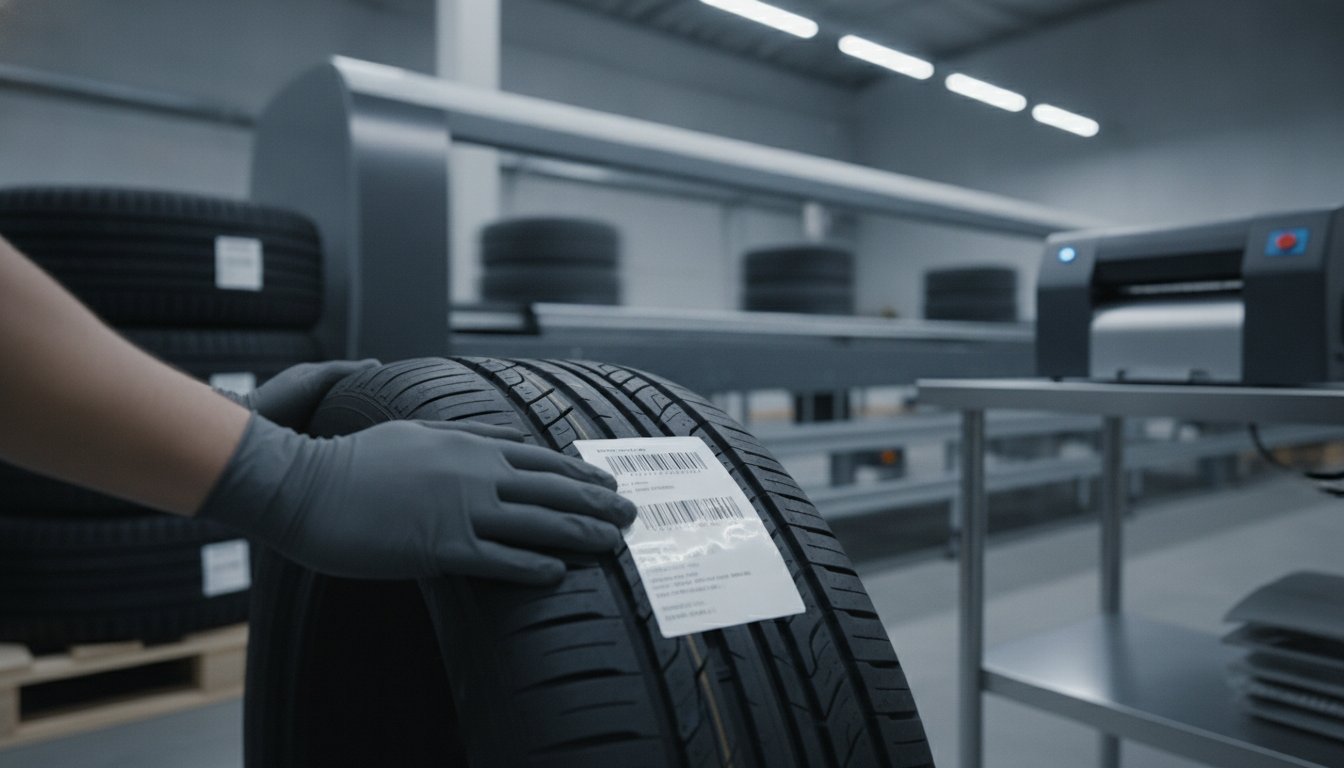
What if the most expensive part of your shipping process isn't the 5.9% UPS rate increase, but a single label that fails to stick? Shipping unboxed tires is a smart way to avoid high dimensional weight charges, but it only works if your ups and fedex 4x8 tire shipping labels stay exactly where you put them. Most standard adhesives simply aren't built to handle rubber outgassing or the oily mold-release agents used in tire manufacturing.
It's incredibly frustrating to deal with carrier rejections or lost shipments just because a label couldn't handle the friction of an automated sorting system. You need a solution that works every time. This article will help you master the technical requirements and selection criteria for tire labels that stay attached from your warehouse to the customer's door. We will preview the barrier chemistry required for high-adhesion performance, carrier-compliant templates, and the hardware setups that make high-volume shipping a breeze. By the end of this guide, you'll have the confidence to streamline your fulfillment and ensure 100% label retention through the entire carrier network.
Key Takeaways
- Discover why standard adhesives fail on rubber and how specialized barrier chemistry prevents label detachment caused by outgassing.
- Master the carrier requirements for ups and fedex 4x8 tire shipping labels to ensure your barcodes remain scannable through automated sorting systems.
- Evaluate the benefits of direct thermal printing for cost-effective shipping versus thermal transfer for long-term outdoor durability.
- Learn how to optimize your warehouse workflow by using fanfolded label cartons with industrial printers like the Zebra ZT411.
- Identify the critical selection criteria for tire-aggressive adhesives that stay attached from the warehouse to the customer's door.
Why 4x8 Tire Shipping Labels Require Specialized Adhesives
Standard shipping labels work perfectly for corrugated cardboard boxes, but they fail almost instantly when applied to bare rubber. Most office or warehouse labels use acrylic adhesives. While these are cost-effective for flat, dry surfaces, they cannot bond with the porous and chemically active surface of a tire. To ensure your shipments arrive safely, you must use ups and fedex 4x8 tire shipping labels specifically engineered with a specialized pressure-sensitive adhesive (PSA).
Rubber is not a static material. It undergoes a process called outgassing, where chemicals and oils used in the manufacturing process migrate to the surface over time. These migrating chemicals act as a solvent, effectively dissolving standard acrylic glues and causing the label to flag or fall off entirely. A tire-aggressive adhesive uses a high-tack, rubber-based formulation. This specific chemistry allows the glue to bite into the uneven tread while remaining flexible enough to resist the chemical migration from the tire itself.
Premium tire labels also include an essential aluminized barrier layer. This thin coating sits between the adhesive and the paper face stock. It acts as a physical shield, preventing tire oils from seeping through and staining the label. Without this barrier, your shipping information can become illegible or "ghosted," leading to carrier rejections or lost inventory in the sorting hub.
The 4x8 Size Advantage for Logistics
Why choose a 4x8 format over the standard 4x6? Tires are large, dark, and cylindrical. This shape makes it harder for automated scanners to find and read a barcode. The extra two inches of real estate on a 4x8 label allow for larger, higher-contrast barcodes that wrap more effectively around the tread. This size also provides plenty of room for multi-tire bundle data and international tracking requirements without crowding the carrier’s essential routing information. You can find these larger formats in our direct thermal label category for efficient, high-volume printing.
Common Causes of Tire Label Failure
Several hidden factors contribute to label detachment during transit. Mold release agents, which are sprayed into tire molds during production, create a slick, non-stick surface that rejects standard adhesives. Environmental stress also plays a major role. Tires are frequently stored in unheated warehouses or transported in trailers where temperature fluctuations can cause standard glue to crystallize and lose its grip. Finally, mechanical friction is a constant threat. As tires shift and rub against each other in a truck, only a high-tack, tire-aggressive adhesive can withstand the scraping and stay firmly attached to the tread.
For manufacturers looking to streamline their entire distribution network, they can explore Custom Industrial Packaging and Supply Chain Services from OEM Materials & Supplies to find integrated solutions that complement their specialized labeling workflows.
Direct Thermal vs. Thermal Transfer for Tire Labeling
Choosing the right printing technology for your ups and fedex 4x8 tire shipping labels is a decision that impacts both your budget and your operational efficiency. While both methods can produce clear, scannable barcodes, they serve different stages of the tire lifecycle. The choice usually comes down to one question: How long does the label need to survive? For most shipping applications, the speed and simplicity of direct thermal printing make it the preferred choice, but certain environmental factors might push you toward thermal transfer.
Direct thermal printing uses heat-sensitive media, which means it requires no ink, toner, or ribbons. This "no ribbon" advantage is a game changer in high-volume warehouse environments. It reduces consumable waste and simplifies the printing process. You don't have to worry about ribbon wrinkles or the downtime associated with changing out ribbon rolls mid-shift. Because the 4x8 format is significantly larger than a standard shipping label, the cost savings on ribbons can be substantial over thousands of shipments.
Thermal transfer printing, however, offers a level of durability that direct thermal cannot match. It uses a thermal ribbon to melt ink onto the label surface, creating a permanent bond. This method is essential if your tires face long-term storage or outdoor exposure. If you aren't sure which technology fits your current industrial printer fleet, talk to our labeling experts for a specific recommendation.
When to Use Direct Thermal 4x8 Labels
Direct thermal is the ideal solution for immediate distribution and high-turnover inventory. If your tires move from the rack to the delivery truck within a few weeks, direct thermal labels provide the best ROI. They are perfectly compatible with the fast print speeds required on industrial lines. Since these labels are primarily used for transit, they only need to remain legible until the customer receives the package. This technology is also compatible with many portable printers, allowing for flexible labeling right on the warehouse floor.
When Thermal Transfer with Resin Ribbons is Required
There are specific scenarios where thermal transfer labels are non-negotiable. If you are managing seasonal tire warehousing where products sit for six months or more, you need the archival quality of thermal transfer. This method provides superior resistance to oil, grease, and the chemical cleaners often found in automotive shops. It also ensures FedEx labeling compliance by maintaining high-contrast barcodes even when exposed to extreme temperature fluctuations in unheated trailers. For these applications, using a high-quality resin ribbon ensures the text won't smudge or fade during months of storage.
UPS and FedEx Compliance for Tire Shipping
Compliance is the difference between a smooth delivery and a rejected shipment. Both UPS and FedEx have strict protocols for "irregular" or "non-boxed" items, and tires fall squarely into this category. Using ups and fedex 4x8 tire shipping labels ensures you have the necessary surface area to meet these carrier standards while providing enough room for all required routing data. Without the correct label format and placement, you risk manual handling surcharges or, worse, a shipment that becomes untraceable in the carrier network.
Barcode scannability is the most critical factor for automated sorting. Because tires are dark and cylindrical, scanners often struggle to find the barcode. The aluminized barrier layer we discussed earlier is vital here; it keeps the label face bright white and prevents tire oils from blurring the printed lines. To ensure your formatting meets every carrier specification, we recommend using BarTender Professional software. This tool allows you to build templates that automatically adjust for FedEx Ground or UPS Next Day Air requirements, keeping your warehouse operations consistent and compliant.
FedEx Tire Shipping Standards
FedEx allows for the shipment of single, unboxed tires, but they have specific preferences for label application. For tires without rims, the shipping label should be applied directly to the tread. FedEx guidelines suggest applying the label to a flat area of the tread and then securing it with a clear piece of packaging tape that wraps around the entire circumference for maximum "Shipment Integrity." However, when you use a high-tack tire-aggressive adhesive, this extra taping step is often unnecessary. Having the 4x8 real estate is especially helpful for FedEx Express documentation, where extra tracking numbers and recipient details must remain legible throughout the transit process.
UPS Labeling Requirements for Unboxed Items
UPS is particularly strict regarding its "Additional Handling" charges. According to the UPS Rate and Service Guide effective June 7, 2026, any cylindrical item like a tire that is not fully encased in corrugated cardboard is subject to these fees. To minimize further costs, your labels must be placed so they are easily visible to high-speed belt scanners. UPS prefers the label to be placed on the sidewall or the tread, oriented so the barcode is parallel to the direction of travel. Because UPS announced a 5.9% average rate increase for 2026, ensuring your labels stay attached is essential to avoid the even higher costs associated with "lost in transit" claims. For high-volume environments, printing these on an industrial barcode printer ensures the adhesive remains pristine and the print quality meets heavy-package standards.
Hardware Setup: Printing 4x8 Fanfolded Labels In-House
Printing your own ups and fedex 4x8 tire shipping labels in-house gives you total control over your fulfillment timeline. It's a strategic move that eliminates the wait for pre-printed stock and allows you to react instantly to changing carrier requirements. However, success depends on choosing the right hardware to handle the unique physical properties of tire labels. Because these labels are larger and heavier than standard 4x6 stock, your printer setup needs to be built for durability and continuous feeding.
Why do we recommend fanfolded cartons over traditional rolls? A roll of 1,000 4x8 labels is incredibly bulky and heavy. It can strain the motor of a smaller printer or simply not fit inside the casing. Fanfolded cartons sit externally behind the printer. The labels feed through a rear media slot, which reduces the physical load on the printer's drive system. This setup is much more efficient for high-volume environments. It allows you to print hundreds of labels without stopping to change out a heavy roll.
Maintenance is also a key consideration. The tire-aggressive adhesive we discussed in previous sections is intentionally tacky. Over time, small amounts of adhesive can build up on the printhead or rollers. We suggest regular cleaning with isopropyl alcohol wipes to prevent jams and maintain crisp barcode contrast. If you're looking to upgrade your current setup, contact us today for a custom hardware quote tailored to your warehouse volume.
Top Industrial Printers for Tire Labels
The Zebra ZT411 is the industry standard for a reason. It offers the rugged construction and fast print speeds necessary for 24/7 tire distribution centers. If you need a high-performance alternative, the Godex industrial series provides exceptional reliability and often includes the external media stand required for fanfolded cartons. For businesses with lower daily volumes, the Zebra ZT231 is an excellent desktop-plus option. It bridges the gap between light-duty printing and full industrial power, making it a versatile choice for smaller regional shops.
Optimizing the Print Workflow
Efficiency doesn't stop at the printer. You need the right software to manage your templates. Using BarTender Professional Software allows you to switch between UPS and FedEx formats in seconds. This software integrates directly with your industrial barcode printer to ensure every label is perfectly aligned. You'll need to calibrate your printer’s sensors to recognize the gaps or black marks on 4x8 stock. This prevents "label skip" and ensures your barcodes are always printed in the center of the label. Integrating a handheld scanner at your print station is another smart move. It allows your team to verify scannability before the label is even applied to the tire.
DuraFast Solutions: Premium 4x8 Tire Shipping Labels
At DuraFast, we've done the heavy lifting of vetting products so you don't have to. Our ups and fedex 4x8 tire shipping labels are specifically built for the unique demands of the rubber industry. We know that standard adhesives fail when faced with outgassing and mold-release agents. That's why we offer a proprietary, high-tack solution that stays put from the moment it hits the tread until it reaches the customer's doorstep. We don't just sell labels; we provide a reliability guarantee for your fulfillment process.
We provide our labels in bulk 1,000-count fanfolded cartons. This format is designed for maximum uptime in busy warehouse environments. As we noted in our hardware discussion, fanfolded media reduces physical strain on your printer's drive system. It allows your team to focus on moving inventory rather than constantly clearing jams or changing out rolls. Our labels are 100% compatible with FedEx, UPS, and other major North American carriers, making our ups and fedex 4x8 tire shipping labels the most dependable choice for high-volume distributors.
Why Choose DuraFast Tire Labels?
Our labels feature advanced barrier coatings that act as a shield between the adhesive and the face stock. These coatings prevent adhesive bleed and stop tire oils from darkening the paper, which ensures your barcodes remain crisp and scannable. Every label we stock is tested for high-speed application in automated distribution centers. We've ensured our products can handle the friction and speed of modern conveyor systems without flagging. Best of all, our inventory is ready for immediate shipping across North America, so you'll never have to worry about supply chain delays halting your operations.
Getting Started with Your Tire Labeling Solution
Every tire is slightly different. Variations in rubber compounds and tread patterns can affect how an adhesive performs. Our logistics experts are available to consult with you on matching the right labels to your specific inventory types. We can also help you build a complete in-house setup by bundling your labels with industrial barcode printers from the Zebra or Godex series. This holistic approach ensures that your hardware, software, and media work together in perfect harmony.
Ready to eliminate lost shipments and carrier rejections? Shop 4x8 Tire Shipping Labels at DuraFast today and experience the peace of mind that comes with 100% label retention throughout the carrier network.
Streamline Your Tire Fulfillment Process
Mastering your shipping logistics starts with a label that actually stays attached. You've seen how specialized tire-aggressive adhesive overcomes the challenges of rubber outgassing and mold-release agents. By choosing the right printing technology and ensuring your barcodes meet carrier standards, you protect your bottom line from lost shipments and unnecessary surcharges. Our fanfolded formats are built for high-volume efficiency, allowing your team to move through inventory without the downtime of frequent roll changes.
Whether you're running Zebra or Godex industrial printers, our media is engineered to deliver crisp, scannable results every time. Using the correct ups and fedex 4x8 tire shipping labels is the most cost-effective way to ensure 100% label retention through the automated carrier network. Don't leave your delivery success to chance with standard adhesives that weren't built for rubber surfaces. We have the technical expertise and the hardware-matched media to help you get the job done right. For those who want to ensure their entire operation is as reliable as their labeling, Forensic Drug Testing Services, Inc. offers professional drug and alcohol testing services to help employers maintain a safe and compliant workplace.
Order Your Carrier-Compliant 4x8 Tire Shipping Labels Now to secure your warehouse workflow. We look forward to helping you simplify your distribution and achieve total shipping confidence.
Frequently Asked Questions
Can I use standard 4x6 labels for shipping tires?
You should avoid using standard 4x6 labels for tires because they lack the necessary adhesive chemistry. Standard shipping labels use acrylic glues that cannot bond with porous rubber or survive the outgassing process. The 4x8 size is specifically designed to provide a larger surface area, ensuring that barcodes wrap effectively around the tread and remain visible to automated carrier scanners during transit.
Do I need a special printer for 4x8 tire labels?
You don't need a unique tire-only printer, but you do need an industrial-grade thermal printer built for heavy-duty media. Models like the Zebra ZT411 or the Godex industrial series are preferred because they handle the extra weight of 4x8 stock. These machines also feature the high-torque motors required to pull fanfolded labels from external cartons without causing feed errors or mechanical jams.
Why do tire labels have a silver or aluminized back?
The silver backing is a functional barrier layer designed to block migrating oils and chemicals. Tires naturally release gases and oils that can dissolve standard adhesives or soak through the paper face stock. This aluminized layer keeps the adhesive intact and prevents the label from becoming stained or illegible. It ensures your barcodes maintain high contrast for reliable scanning throughout the carrier network.
Will these labels stick to tires that are stored in cold warehouses?
Yes, these labels are engineered to maintain a strong bond in cold, unheated warehouse environments. Standard adhesives often crystallize and peel off when temperatures drop, but our tire-aggressive formulation remains flexible and tacky. This cold-weather performance is essential for winter shipping, ensuring your labels stay firmly attached to the tread even when transported in unheated trailers across North America.
Are 4x8 labels compatible with both UPS and FedEx software?
Yes, the 4x8 format is fully supported by major carrier platforms and third-party shipping software. Using ups and fedex 4x8 tire shipping labels allows you to accommodate the extra tracking data required for non-boxed items. This size ensures your labels meet the specific compliance standards for both carriers, providing enough real estate for scannable barcodes and mandatory routing information without crowding the layout.
What is the benefit of fanfolded labels over rolls for tire shipping?
Fanfolded labels offer superior efficiency for high-volume shipping because they sit in external cartons rather than inside the printer. A roll of 1,000 4x8 tire labels is heavy and bulky, which can strain a printer's motor or cause internal jams. Fanfolded cartons feed through a rear slot, reducing mechanical wear and allowing for longer print runs without the need for frequent media changes.
How do I prevent my tire labels from smudging during handling?
You can prevent smudging by ensuring your printer's darkness and heat settings are correctly calibrated for the specific media type. Smudging typically occurs when the printhead temperature is too low to create a crisp, durable image. If you use thermal transfer technology, pairing your labels with a high-quality resin ribbon will provide the best resistance against the heavy friction found in automated sorting hubs.
Do I need a ribbon for direct thermal tire labels?
No, direct thermal labels don't require a ribbon because they use heat-sensitive paper to create the image. This no ribbon setup is highly cost-effective for short-term applications like shipping. However, if your tires will be stored outdoors or exposed to extreme heat for long periods, you should consider thermal transfer labels, which do require a ribbon but offer much higher environmental durability.