VIPColor VP750 Labels: 2026 Material Guide
25th Jul 2026
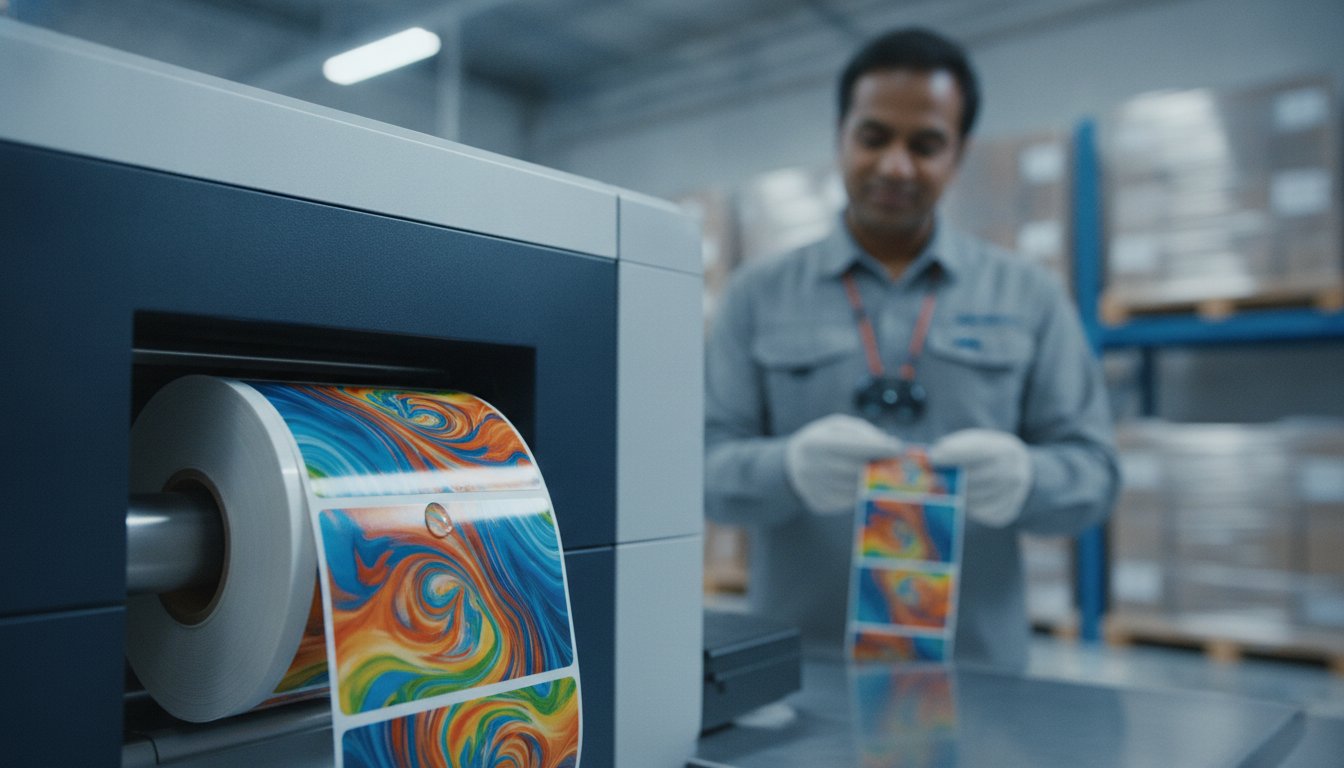
What if your "water-resistant" labels are actually your biggest source of waste? You likely invested in this hardware to eliminate smearing and peeling, yet finding consistent media often feels like a gamble. It's a common frustration when one roll looks perfect, while the next results in ink that rubs off at the slightest touch. When you're searching for the right labels for VIPColor VP750, the material choice determines whether you're leveraging that Memjet technology or fighting against it.
We agree that your in-house production should be stress-free and professional. This guide will show you exactly how to pair your printer with specialized inkjet-receptive media to achieve smudge-proof results every time. You'll discover the best 2026 material standards for damp or cold environments, helping you reduce waste and ensure your barcodes remain scannable. We'll explore everything from high-gloss polypropylene to durable matte options to help you find your perfect match.
Key Takeaways
- Understand how Memjet VersaPass technology requires specific inkjet-receptive coatings to achieve true water resistance.
- Compare the performance of cost-effective paper against durable synthetic BOPP to match your labels to their environment.
- Learn how to choose the right labels for VIPColor VP750 to prevent smudging and peeling in cold or oily conditions.
- Master a simple "smudge test" to verify print durability and ensure professional results before starting large production runs.
- Discover how to access custom sizes and specialty shapes to reduce material waste and streamline your in-house labeling.
Understanding the Technology Behind VIPColor VP750 Labels
The VIPColor VP750 is a powerhouse in the digital label production world. It relies on Memjet VersaPass technology, a sophisticated form of thermal inkjet printing that achieves speeds of 12 inches per second. Speed is impressive, but durability is what keeps businesses running. This is where the choice of labels for VIPColor VP750 becomes critical. Standard inkjet labels often lack the specialized top-coat required to handle the high volume of ink ejected during high-speed runs. Without this coating, the ink stays on the surface instead of being absorbed. This results in smudging, dull imagery, and a failure to resist moisture. Memjet-enhanced water resistance is a chemical bond between ink and media.
How Inkjet-Receptive Coatings Work
High-quality materials for the VP750 aren't just paper or plastic; they are engineered surfaces. These materials feature a porous, inkjet-receptive coating that acts like a microscopic trap for ink particles. This structure is vital for managing high-speed absorption without "bleeding" or "feathering." If the coating isn't high-grade, the ink will spread before it dries, ruining your 1600 dpi resolution. The coating's quality directly dictates the final vibrancy of your print. By locking the pigments and dyes into the media's structure, you achieve the professional, crisp results your brand requires.
VersaPass Ink vs. Standard Inkjet Inks
VersaPass inks are chemically distinct from standard office inks. While the underlying inkjet printing technology might seem familiar, the performance is on another level. These inks are designed to remain stable under the intense heat of a thermal printhead while offering moisture resistance once dry. When you use the right labels for VIPColor VP750, the ink becomes smudge-proof even when exposed to light condensation or damp environments. Beyond print quality, the physical properties of the label stock protect your hardware. High-grade, dust-free materials prevent microscopic debris from clogging the printhead nozzles. This is a simple way to extend the life of your equipment and avoid unnecessary maintenance costs. Using VIPColor VP750 ink cartridges with tested media ensures your production line stays efficient and reliable.
Comparing Label Materials: Paper vs. Synthetic for the VP750
Choosing the right surface for your labels for VIPColor VP750 often comes down to a balance between your budget and the label's final environment. While the printer's technology ensures high-quality output, the material you choose dictates how long that quality lasts. You'll generally choose between paper and synthetic films. Each has a specific role in your production line, and picking the wrong one can lead to wasted ink and ruined stock.
Inkjet Paper Labels for VP750
Paper is the most cost-effective choice for many businesses. If your products stay in a dry, indoor environment, paper labels are likely your best bet. High-gloss paper provides a premium look for retail packaging without the higher cost of synthetics. It makes colors look vibrant and professional. Conversely, matte paper is excellent for high-contrast barcode scanning. It prevents the glare that sometimes hinders scanners in warehouse settings, ensuring your logistics flow without interruption. These are ideal for shipping labels, standard retail tags, and indoor signage.
Synthetic and Film-Based Labels
What happens if your labels face moisture, oils, or abrasion? This is where Biaxially Oriented Polypropylene (BOPP) becomes the gold standard. BOPP labels are essential for products like chilled beverages, ice buckets, or cosmetics. They don't tear and they won't degrade when they get wet. For more extreme needs, polyester labels offer superior chemical resistance. This is particularly relevant when complying with OSHA's GHS label requirements for chemical containers, where durability isn't just a preference; it's a legal necessity. Vinyl options are also available for industrial equipment that needs to withstand UV exposure and weather.
The choice between matte and glossy finishes isn't just about looks. Glossy labels make colors pop and give a "liquid" look to graphics. Matte finishes, however, offer a sophisticated, modern feel and are much easier to read under harsh overhead lighting. Both finishes are available across most inkjet labels designed for Memjet systems, allowing you to tailor the aesthetic to your brand identity.
Don't forget the adhesive. Your material choice is only half the battle. Permanent adhesives are standard, but you might need removable options for promotional stickers that shouldn't leave a residue. If you're labeling frozen goods, freezer-grade adhesives are required. These specialized glues prevent the label from "flagging" or falling off in sub-zero temperatures. If you aren't sure which material fits your specific application, you can always reach out to a media expert to find the perfect match for your labels for VIPColor VP750.
Ensuring Water Resistance and Durability in Your Production
Does "water resistant" mean your labels can survive a bucket of ice? In the world of digital printing, these terms are often used interchangeably, but they have distinct meanings. Most labels for VIPColor VP750 are water resistant. This means the ink won't run or bleed when exposed to light moisture, splashes, or condensation. Waterproof labels, however, are designed for total immersion or prolonged exposure to harsh elements. Understanding this difference prevents costly mistakes during your material selection process. While Memjet VersaPass technology is built for durability, the environmental conditions of your workspace play a huge role. For instance, high ambient humidity can slow down the drying time of high-speed prints. If you're printing at 12 inches per second in a damp warehouse, you may need to adjust your handling procedures to prevent tracking.
Testing Your Labels for Real-World Conditions
How do you know if your labels will actually hold up? Don't wait for a customer complaint to find out. You should perform a simple "smudge test" on your printed samples by firmly rubbing your thumb across the design. If the ink shifts, the material and ink haven't bonded correctly. For products like chilled beverages, simulate moisture exposure by placing a labeled container in a refrigerator for several hours, then moving it to a warm room to induce condensation. This confirms the adhesive stays put and the ink remains crisp. True durability requires a 24-hour cure time for some materials. Giving the ink time to fully set into the inkjet labels ensures the best possible resistance to handling and abrasion.
Specialized Coatings for Enhanced Protection
Sometimes, standard resistance isn't enough. If your products face oils, fats, or heavy handling, you might need specialized coatings or even lamination. Lamination provides a physical barrier that protects the print from chemicals and physical wear. This is especially important for items that must follow the FDA food labeling guide, where legibility is a regulatory requirement. The VP750 handles textured or specialty matte finishes remarkably well, allowing for a premium look that doesn't sacrifice performance. For chemical manufacturers, ensuring BS5609 compliance is the priority. This marine-grade standard requires the label to remain legible and attached even after three months of saltwater immersion. Testing your labels for VIPColor VP750 against these specific standards ensures your production is both professional and compliant.
For projects that go beyond standard labels and require permanent marking or specialized finishes like UV printing or laser engraving, Pro Fist (STF d.o.o.) offers a suite of digital printing services designed to provide a high-quality, durable finish for your brand's physical assets.
Selecting VP750 Labels for Specific Industry Applications
Every industry faces a unique set of environmental challenges. A label that works perfectly for a shipping box will likely fail on a bottle of chilled white wine or a container of essential oils. When you select labels for VIPColor VP750, you must match the media's physical properties to the life cycle of your product. This ensures your branding remains intact from the production line to the customer's hands. Whether you're dealing with the sub-zero temperatures of a freezer or the oily environment of a skin-care lab, the right material choice prevents peeling and ink degradation.
Beverage and Craft Beer Labeling
The beverage industry is perhaps the most demanding for inkjet media. Bottles are often "cold-filled," which causes immediate surface condensation. Standard adhesives will fail in these conditions, leading to "flagging" where the label edges curl away from the glass. For craft beer and wine, glossy BOPP is the preferred choice. It provides a high-shine, premium look that resists moisture even when submerged in an ice bucket for hours. You need an aggressive, permanent adhesive that maintains its bond despite temperature fluctuations. If you're producing for this sector, exploring inkjet labels for beverages is the first step toward a professional, retail-ready product.
Cosmetics and Personal Care
Health and beauty products present a different set of obstacles. Labels on shampoos and body washes must survive constant exposure to shower moisture and frequent handling. Squeeze bottles are particularly tricky; the label material must be flexible enough to deform and spring back without wrinkling or "tunneling." Clear synthetic labels are often used here to achieve a "no-label look" on luxury packaging, allowing the product's color to show through the design. These materials are engineered to resist the alcohols and oils often found in lotions and perfumes, ensuring your ingredient lists and branding stay legible throughout the product's use.
Chemical and industrial manufacturers have even stricter requirements. To meet GHS (Globally Harmonized System) standards, labels must survive harsh chemical spills and abrasion. Synthetic media like polyester are usually required here to ensure safety warnings remain visible. On the other end of the spectrum, nutraceutical and organic brands often prefer premium matte finishes. These materials provide a natural, high-end feel that resonates with health-conscious consumers while still offering the water resistance necessary for products stored in kitchens or bathrooms.
Finding the right balance between aesthetics and durability doesn't have to be a guessing game. If your application requires a unique shape or a non-standard size to fit a specific container, you can talk to our media specialists about custom label solutions. We can help you identify the best labels for VIPColor VP750 to ensure your specific industry requirements are met with precision.
Optimising Your In-House Printing with DuraFast Label Solutions
DuraFast isn't just a supplier; we're a partner in your long-term labeling success. As the leading North American source for specialized media, we've spent years vetting materials specifically for Memjet technology. Choosing the right labels for VIPColor VP750 is about more than just finding a sticky surface. It's about protecting your hardware investment. Using certified, high-grade media is a strategic move to extend the life of your expensive VP750 printheads. Low-quality stock often sheds microscopic dust or fibers that clog nozzles, leading to premature failure and frustrating downtime. By pairing our tested media with genuine VIPColor Ink Cartridges, you ensure the highest possible ROI for your in-house production line.
Custom Label Sizes and Shapes
Standard rolls don't always fit a unique brand vision. We provide access to custom sizes and die-cut shapes that go far beyond basic rectangles or circles. This flexibility allows you to match your packaging perfectly without the need for secondary trimming or manual adjustments. There's also a significant technical advantage to ordering exact widths. When your media matches your design width precisely, you minimize material waste and reduce uneven wear on the printer's rollers. If you're launching a new product line, we encourage you to order sample rolls. Testing a small batch first lets you verify the adhesive strength and print quality before you commit to a high-volume production run.
Expert Support for Your Labeling Workflow
Troubleshooting material and ink compatibility shouldn't be your full-time job. Our team offers expert support to help you navigate these technical choices with confidence. We can assist in integrating professional BarTender software with your VP750 for a seamless design-to-print workflow that reduces errors. This level of personalized consulting ensures you achieve professional, smudge-proof results without the steep learning curve often associated with industrial equipment. For a broader look at setting up an efficient production area, read our guide on How to Print Your Own Product Labels. We're here to make sure your transition to in-house labeling is efficient, predictable, and entirely stress-free. Whether you need a specific labels for VIPColor VP750 solution or a custom width roll, our national support network is ready to help.
Master Your In-House Label Production
Choosing the right labels for VIPColor VP750 is the final step in achieving professional, smudge-proof results. You've seen how specialized top-coats bond with Memjet VersaPass technology to ensure durability in even the toughest environments. By selecting the correct synthetic or paper media, you protect your printheads from unnecessary wear and eliminate the cost of wasted rolls. Whether you need moisture-resistant BOPP for beverages or custom-shaped matte labels for retail, the right material choice makes all the difference.
DuraFast provides a specialized selection of media with tested compatibility for Memjet inks and fast national North American shipping. We offer custom sizes and materials to fit your specific containers perfectly, helping you avoid the complexity of standard roll limitations. It's time to stop worrying about ink smearing and start focusing on your brand's growth.
Shop Premium VIPColor VP750 Labels at DuraFast Today and discover how easy it is to produce high-quality, water-resistant labels in-house. We're here to support your success every step of the way.
Frequently Asked Questions
Are all inkjet labels compatible with the VIPColor VP750?
No, you must use media specifically designed for Memjet technology. The VP750 prints at incredible speeds, which means the ink needs a specialized receptive coating to dry instantly. Standard inkjet labels don't have this coating, which often leads to pooling, smearing, and poor color density.
Can the VP750 print on glossy synthetic materials?
Yes, the VP750 excels at printing on glossy synthetic materials like BOPP and polyester. These materials are perfect for products that need a high-end look and extra durability. Just ensure the rolls are certified for use with VersaPass inks to maintain the printer's 1600 dpi resolution and color accuracy.
How do I prevent my VP750 labels from smearing when wet?
Ensuring your labels are smudge-proof starts with choosing water-resistant synthetic media. While the ink is designed for durability, it's best to allow your printed rolls to cure for 24 hours before exposing them to heavy moisture. This gives the chemical bond between the ink and the media's top-coat time to reach maximum strength.
What is the maximum roll diameter for labels used in the VP750?
The VIPColor VP750 supports label rolls with a maximum outer diameter of 8 inches (203 mm). It's designed to work with a standard 3-inch (76 mm) core. Using the correct roll size ensures the internal unwinder operates smoothly without putting unnecessary strain on the feeding mechanism.
Is it cheaper to print labels in-house using the VP750 compared to outsourcing?
In-house printing is typically more cost-effective for short to medium production runs. You'll save money by eliminating the setup fees, plate charges, and minimum order requirements common with commercial print shops. It also allows you to print only what you need, which significantly reduces the waste associated with obsolete label designs.
Does the VP750 require special labels for GHS chemical compliance?
Yes, GHS compliance requires synthetic labels for VIPColor VP750 that meet BS5609 standards. These labels are engineered to survive harsh chemical exposure and long-term saltwater immersion. Using matte chemical-grade synthetics ensures your safety warnings remain legible even in the most demanding industrial or marine environments.
How do I choose between matte and glossy labels for my product?
Base your choice on your brand's aesthetic and the lighting in the retail environment. Glossy labels make colors appear more vibrant and are excellent for premium beverage or cosmetic products. Matte labels offer a sophisticated, non-reflective finish that is easier to read under the bright, harsh overhead lights found in many warehouses and retail stores.
Can I use continuous label rolls with the VP750's built-in cutter?
Yes, the VP750 is fully compatible with continuous label rolls. The built-in automatic cutter can be programmed to cut between labels or at the end of a specific print job. This feature is incredibly useful for creating custom-length banners or varying label sizes without needing to swap out media rolls frequently.