What Does an Electrical Safety Audit Reveal?
20th Jul 2026
Key Highlights
-
Electrical safety audits expose hidden risks like loose connections, overloads, and weak grounding before they cause failures or safety incidents.
-
A structured electrical safety audit checklist evaluates wiring condition, protection devices, documentation accuracy, and system identification.
-
Clear circuit and panel labeling is essential for safe maintenance, faster troubleshooting, and audit compliance.
-
Electrical safety audit guidelines stress code alignment, accurate records, and durable field identification.
-
Heat-shrink tubes and industrial label tapes provide long-lasting markings that stay readable in harsh electrical environments.
-
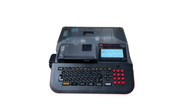
MAX Letatwin printers enable professional, audit-ready wire and panel identification that improves safety, efficiency, and long-term reliability.
If you are responsible for a facility, you already know electrical systems rarely fail without warning. Loose terminations, aging insulation, overloaded circuits, and unclear identification often sit quietly until they become downtime, equipment damage, or safety incidents.
An electrical safety audit helps you uncover these risks early. It strengthens your overall approach to electrical inspection, audit, and safety, ensuring systems are safe, documented, and clearly understood by anyone who works on them.
This guide explains what is an electrical safety audit is, its purpose, checklist components, and why durable wire and panel identification plays a major role in passing any electrical safety audit confidently.
What Is an Electrical Safety Audit?
An electrical safety audit is a systematic review of a facility’s electrical infrastructure, safety practices, and documentation to identify hazards, non-compliance, and performance risks. It evaluates how safely and effectively electrical systems can be operated, maintained, and expanded, while ensuring alignment with recognized safety standards.
Unlike a basic inspection, this process goes beyond surface-level checks and focuses on the overall condition, reliability, and identification of the system.
An electrical safety audit typically examines:
-
Electrical panels, wiring, and connections for condition and correct installation
-
Circuit identification, panel directories, and equipment labeling
-
Grounding, bonding, and protective device performance
-
Load distribution and risk of overloading
-
Documentation such as single-line diagrams and maintenance records
Understanding what an electrical safety audit is helps you treat it as a preventive risk management tool, not just a regulatory requirement.
What Is the Purpose of an Electrical Safety Audit?
An electrical safety audit verifies that your systems operate safely, reliably, and in line with required standards. It focuses on real operating conditions, not just design intent, and checks whether infrastructure, documentation, and safety practices work together to control risk.
In simple terms, it tests how safe and prepared your facility actually is.
A proper audit helps you:
-
Identify electrical hazards before they lead to failure or injury
-
Confirm compliance with safety codes and internal standards
-
Evaluate equipment condition and protective device performance
-
Verify maintenance practices support long-term system reliability
-
Ensure emergency shutdown and isolation procedures are clear
It also confirms that circuits, feeders, and panels are correctly labeled. Without clear identification, maintenance becomes slower, more error-prone, and riskier, even when the installation itself meets technical requirements.
What Are the Benefits of an Electrical Safety Audit?
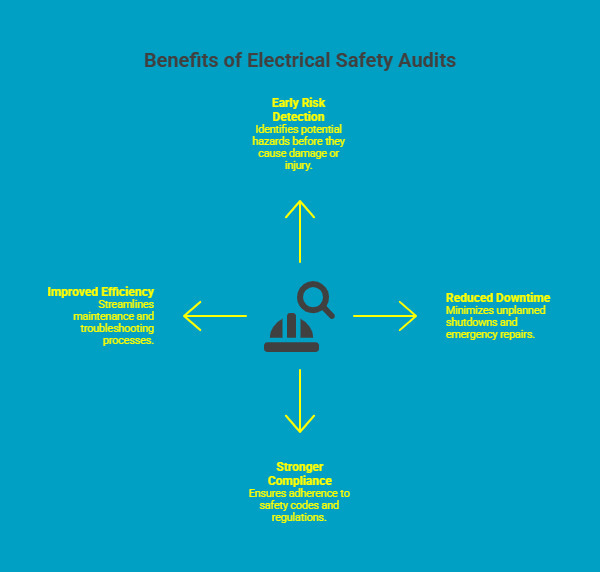
An electrical safety audit is not just about passing inspections. It strengthens how your facility manages risk, protects people, and maintains reliable operations. By systematically evaluating system condition, documentation, and identification, an electrical safety audit delivers both safety improvements and measurable operational advantages.
1. Early Detection of Electrical Risks
An electrical safety audit helps uncover overheating components, loose terminations, insulation damage, and overload conditions before they escalate. Identifying these issues early reduces the risk of short circuits, arc events, and electric shock injuries, protecting personnel and preventing serious equipment damage.
2. Reduced Downtime and Maintenance Costs
When problems are found during a scheduled electrical safety audit, they can be corrected in a controlled manner. This reduces emergency repairs, minimizes unplanned shutdowns, and allows maintenance teams to plan work more efficiently, which directly supports productivity.
3. Stronger Compliance and Documentation
Audits verify alignment with codes and electrical safety audit guidelines. Accurate records, updated diagrams, and proper system identification demonstrate a structured approach to electrical inspection, audit, and safety, which simplifies future reviews and internal safety management.
4. Improved Safety and Work Efficiency
Clearly labeled circuits and panels make troubleshooting faster and safer. Durable identification reduces confusion during maintenance or emergency isolation, lowering the chance of human error and limiting exposure to electrical hazards.
Together, these benefits make an electrical safety audit a proactive investment in safety, reliability, and long-term operational stability.
What Should an Electrical Safety Audit Checklist Include?
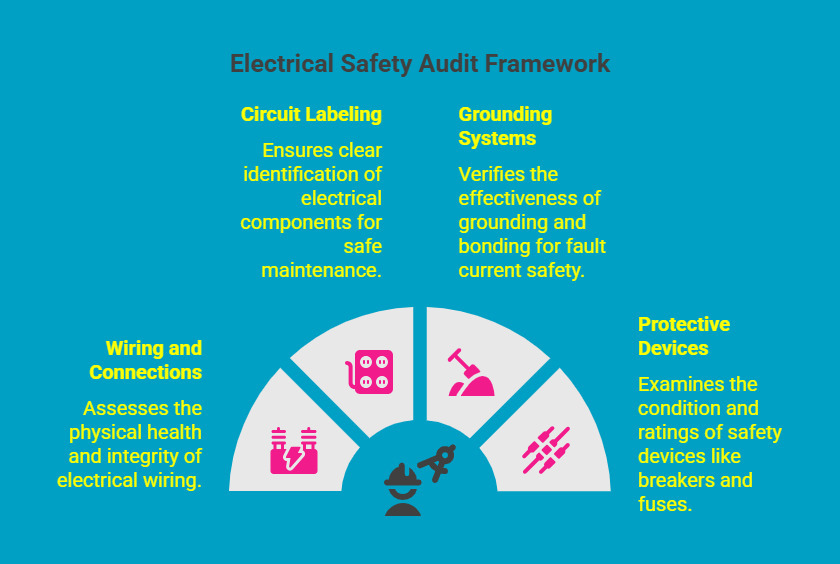
A well-structured electrical safety audit checklist helps you evaluate system safety, compliance, and operational clarity in a consistent way. The focus is not just on equipment condition, but also on whether your electrical infrastructure is clearly identified, properly documented, and safe for technicians to work on under real-world conditions.
1. Inspection of Wiring and Connections
This part of the checklist looks at the physical health of the system. Auditors assess conductor sizing, insulation condition, routing, and termination quality. Loose connections, heat damage, and insulation wear are common risk areas because they can lead to overheating, faults, and unexpected failures.
2. Verification of Circuit Labeling and Load Distribution
Clear identification is essential for safe maintenance and troubleshooting. Breakers, feeders, and panels must be accurately labeled, and panel directories should match actual loads. Many teams use the MAX Letatwin LM550A3BH PC Tube and Tape Printer with durable MAX Letatwin tubes and tapes to create long-lasting wire and panel identification that stays readable.
3. Review of Grounding and Bonding Systems
Auditors verify grounding continuity, bonding between metallic parts, and the integrity of grounding paths. Proper grounding ensures fault currents flow safely and reduces shock and equipment damage risks.
4. Examination of Protective Devices and Panels
Breakers, fuses, relays, and panels are checked for correct ratings, condition, and accessibility. Panel schedules must be legible and accurate, supporting safe isolation, maintenance, and emergency response.
Together, these checklist elements ensure your system is not only technically sound but also clearly identified and safe to operate, maintain, and audit.
What Are the Standard Electrical Safety Audit Guidelines?
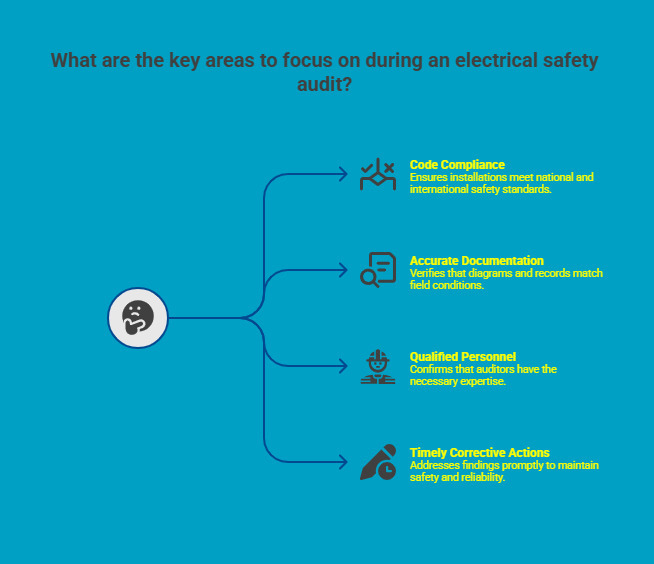
Electrical safety audit guidelines define how systems are evaluated for safety, compliance, and long-term reliability. They combine regulatory requirements with field best practices to ensure installations are safe to operate, maintain, and modify.
A strong audit framework focuses on four core areas:
1. Code Compliance
Every electrical safety audit verifies alignment with national and international electrical codes. Auditors review equipment ratings, conductor sizing, clearances, grounding, and system identification to confirm installations meet recognized safety standards.
2. Accurate Documentation and Identification
Single line diagrams, panel schedules, and maintenance records must match field conditions. Clear, durable labeling supports this. Teams often use professional tools such as Brother P Touch label makers with compatible Brother P Touch tapes for panel marking, and industrial systems like DYMO Rhino label makers with DYMO Rhino industrial tapes in harsher environments.
3. Qualified Personnel
Audits should be conducted by trained professionals who understand electrical hazards, system behavior, and compliance expectations, ensuring risks are correctly identified and prioritized.
4. Timely Corrective Actions
Findings must lead to action, including repairing defects, upgrading protection devices, and improving identification to maintain compliance and reduce operational risk.
Strong guidelines turn an electrical safety audit from a formality into a proactive safety and reliability strategy.
When documentation and labeling align with standards, audits become smoother, faster, and more predictable.
How Do MAX Letatwin Printers Support Audit Ready Labeling?
During an electrical safety audit, labeling is not a minor detail. Auditors expect wire, terminal, and panel identification to be clear, durable, and consistent. Professional marking systems help you meet these expectations while improving safety and maintenance efficiency across electrical installations.
1. Prints on Heat Shrink Tubes and Label Tapes
MAX Letatwin printers produce markings on heat-shrink tubes and specialty label tapes designed for electrical environments. This allows electricians to create permanent wire, cable, and terminal identification within control panels, switchgear, and distribution boards, eliminating the need for handwritten or temporary labels.
2. Delivers Durable, Smudge-Resistant Identification
Labels created with MAX Letatwin systems are built to handle heat, abrasion, and frequent handling. Long-lasting identification ensures circuit and wire markings remain legible over time, which supports compliance during future electrical safety audits and routine maintenance activities.
3. Meets Electrical Labeling Standards
Consistent machine-printed labels improve accuracy and readability across electrical systems. Clear identification supports safe isolation procedures, lockout processes, and maintenance tasks, all of which are key expectations during electrical inspection, audit, and safety evaluations, including adherence to electrical safety procedures.
4. Ideal for Panels, Wires, and Control Systems
These printers are well-suited for labeling terminal blocks, control cabinets, panel components, and distribution wiring. For additional industrial identification needs, facilities often integrate solutions like Epson LabelWorks PX tapes to maintain consistent, durable labeling across different equipment types.
Proper labeling is not just about organization. It is a practical step toward safer operations, faster maintenance, and stronger audit performance.
Why Choose DuraFast Label Company for Audit-Ready Electrical Labeling?
Electrical safety audits often expose one common issue: poor identification. Faded wire markers, handwritten panel labels, and inconsistent marking slow maintenance and increase risk. DuraFast Label Company helps you fix this with industrial labeling solutions built specifically for electrical environments.
DuraFast focuses on durability, compliance, and clarity, not office labeling. Their systems are designed to handle heat, abrasion, and daily handling while keeping markings legible long term.
How DuraFast supports audit readiness:
-
Industrial wire, panel, and equipment labeling solutions
-
Heat shrink tubes and specialty tapes for electrical use
-
Professional systems like MAX Letatwin, Brother P Touch, DYMO Rhino, and Epson LabelWorks
-
Consistent machine-printed identification that replaces handwritten labels
-
Guidance in selecting the right labeling system for your application
Upgrading your labeling with DuraFast is a practical step toward safer systems, faster maintenance, and smoother electrical safety audits.
Conclusion
An electrical safety audit gives you a clear picture of how safe, compliant, and maintainable your electrical systems really are. It highlights hidden risks, documentation gaps, and identification issues that can affect safety and uptime.
By following structured guidelines and using durable, professional labeling, you make your systems easier to understand and safer to work on. Treat each audit as a proactive step toward stronger compliance, reduced downtime, and a more reliable electrical environment for everyone involved.
Frequently Asked Questions
How often should you conduct an electrical safety audit?
Most facilities perform regular electrical safety audits annually, with higher-risk sites reviewed more often. This proactive approach helps identify potential electrical hazards, reduce serious injuries, and improve electrical safety management, including effective training programs. Frequency should reflect the likelihood of the hazard, equipment condition, and relevant regulations.
What are the common items included in an electrical safety audit checklist?
An electrical safety audit checklist is an essential tool covering wiring condition, grounding, faulty equipment, panel labeling, load distribution, and proper documentation. It helps the audit team identify potential hazards, support safe work practices, and strengthen occupational safety and health administration compliance.
What are typical compliance requirements addressed in an electrical safety audit?
Audits review national electrical code alignment, safe clearances, equipment ratings, and proper documentation. They evaluate identified risks, existing control measures, and the effectiveness of the electrical safety management system to ensure that process safety management goals and the safety measures of employees are maintained.
What is the difference between an electrical safety audit and an inspection?
An inspection focuses on specific components, while an audit is broader. It reviews system-wide potential risks, safe work practices, documentation, and operational efficiency. Audit results highlight findings of the audit, identified hazards, and the effectiveness of the existing control measures, including the severity of the risk.
Can you provide a downloadable checklist for an electrical safety self-audit?
Yes. Many organizations build customized checklists as the first step in electrical safety management. These include identified risks, faulty equipment, labeling, and compliance points. Regular use supports cost savings, improves operational efficiency, and enhances the effectiveness of the electrical safety management system.