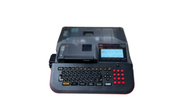
Why Electrical Cable Color Coding Matters for Safety?
20th Jul 2026
Key Highlights
-
Heat-resistant, withstanding extreme temperatures for reliable performance in harsh environments.
-
Chemical and abrasion-resistant, providing durability against oils, solvents, and physical wear.
-
Clear, legible text that reduces errors during installation and maintenance.
-
Wide compatibility with various cables and materials, ensuring versatility across different wiring applications.
-
Long-lasting performance, maintaining reliable wire identification over time, even in demanding conditions.
When working with electrical wiring, safety and precision are non-negotiable. Improperly identified wires can lead to costly mistakes, dangerous accidents, or even deadly electrical hazards. A simple yet powerful solution to avoid these issues is electrical cable color coding, which ensures that wires are easily identifiable and correctly connected.
In this blog, we’ll explore why electrical cable color coding is crucial for maintaining both safety and efficiency in your electrical installations. You’ll learn about the different color coding systems used around the world, from the U.S. to international standards, and how color coding helps reduce errors during both installation and troubleshooting.
Additionally, we’ll show you how using MAX Letatwin labeling systems can take your color coding to the next level, making it easier to stay compliant and ensure long-term safety in all electrical applications.
What Is Electrical Cable Color Coding and Why Does It Matter?
Electrical cable color coding assigns specific colors to wires based on their function, such as live, neutral, or ground. This system ensures safe and accurate wiring in electrical setups by making wires easily identifiable.
Without color coding, identifying wires becomes time-consuming and prone to errors, which can lead to safety hazards and costly mistakes. Here's why it's essential:
-
Enhanced Safety: Color coding ensures correct wire connections, reducing risks like electrical shorts or fires.
-
Compliance: It meets local and international electrical safety codes, ensuring legal and safe installations.
-
Improved Organization: Color-coded wires make it easier to troubleshoot and maintain systems, saving time and minimizing errors.
Electrical cable color coding is critical for safety, compliance, and efficient wiring management.
How Does Electrical Cable Color Coding Keep You Safe?
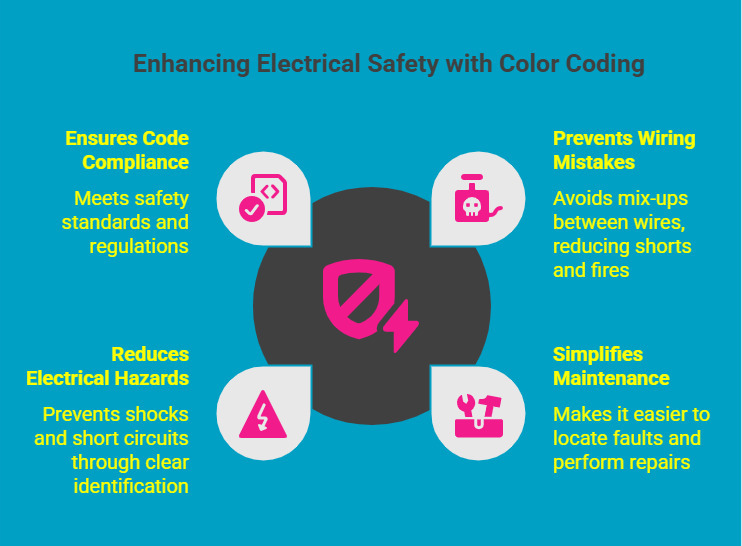
Electrical cable color coding is a crucial safety feature that ensures proper installation, reduces risks, and enhances maintenance efficiency in electrical systems. Let’s break down how this practice keeps you safe and organized.
1. Prevents Wiring Mistakes
Color coding helps avoid mix-ups between wires, such as live, neutral, and ground. This reduces the risk of:
-
Electrical shorts
-
Fires
-
Faulty connections
Clear identification ensures correct wiring, reducing errors and improving safety.
2. Simplifies Maintenance
A color-coded system enables easy identification of wires, making it faster for technicians to:
-
Locate faults
-
Perform repairs quickly
-
Prevent errors during maintenance
This organized approach saves time and minimizes risks during troubleshooting.
3. Reduces Electrical Hazards
Misidentified wires are a common cause of accidents like electrical shocks and short circuits. Color coding ensures wires are easily identifiable, preventing:
-
Cross-wiring
-
Accidental connections
Proper labeling significantly lowers the chances of electrical hazards. The Dymo Rhino industrial tapes offer a robust solution for marking electrical systems in demanding environments.
4. Ensures Code Compliance
Electrical color coding is essential for meeting safety standards. Following codes like the NEC (U.S.) or IEC (International) ensures:
-
Compliance with regulations
-
Safe installations and inspections
Proper labeling greatly reduces electrical hazards. For instance, the Epson LabelWorks PX tapes help ensure your labeling meets specific electrical codes, promoting safety and compliance in electrical installations.
Electrical cable color coding enhances safety, simplifies maintenance, and ensures compliance with industry standards. For precise labeling, use the MAX Letatwin LM550A3BH PC Tube and Tape Printer for optimal results.
What Are the Standard Electrical Wire Color Coding Systems?
There are various color coding systems used globally, with each country or region having its own set of standards. Below are the most common ones used today:
1. U.S. Electrical Wire Color Coding
In the United States, the National Electrical Code (NEC) provides specific guidelines for wire color coding. The standard color codes include:
-
Black: Live (hot) wire
-
White: Neutral wire
-
Green or Bare: Ground wire
-
Red: Secondary live wire (often used in three-phase systems)
These color codes help electricians quickly and easily identify wires during installation or maintenance. By following the NEC standards, workers ensure that electrical systems are safe and compliant.
2. International (IEC) Color Coding
The International Electrotechnical Commission (IEC) sets out wiring color codes for global consistency. Here are some of the common colors used in the IEC system:
-
Brown: Live (hot) wire
-
Blue: Neutral wire
-
Green/Yellow: Ground wire
-
Black: Additional live wire (used in multi-phase systems)
These colors are primarily used in Europe, Asia, and other regions that follow IEC standards. Understanding these color codes is essential for electricians working internationally or on projects with global compliance requirements.
3. Three-Phase Wiring Colors
In three-phase electrical systems, each phase is assigned a different color to help distinguish them from one another. This is especially important in industrial applications where three-phase power is common. The typical color coding for three-phase systems is:
-
Phase 1: Black
-
Phase 2: Red
-
Phase 3: Blue
In this setup, neutral wires may be marked white, and ground wires remain green or bare.
Following these color coding systems, electricians can ensure safety, avoid errors, and comply with local and international regulations.
Need clear, durable labels for your electrical systems? Check out the Brother P-Touch Label Maker for efficient and reliable electrical labeling.
What Is Color Coding in Electrical Circuits Used For?
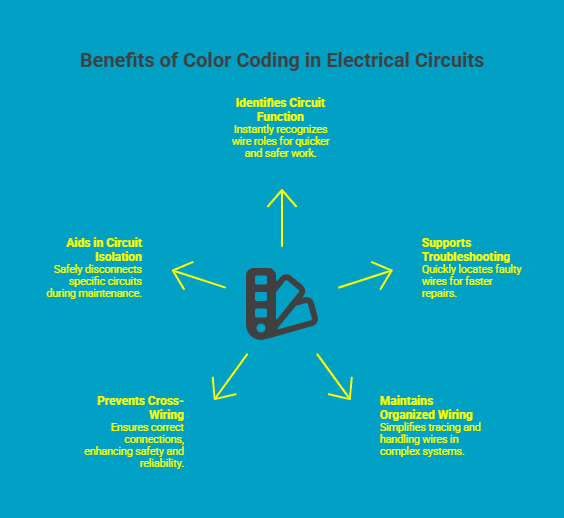
Color coding in electrical circuits is essential for identifying wire functions and enhancing safety. It provides numerous benefits that simplify installation, troubleshooting, and maintenance, helping to keep systems organized and functional. Below are the key uses of color coding:
1. Identifies Circuit Function
Color coding allows electricians to instantly identify each wire’s function. For instance, a red wire indicates a live (hot) wire, and a white wire signifies neutral. This minimizes errors and ensures quicker, safer work.
2. Supports Troubleshooting
When circuits fail, color coding makes it easy to identify the problematic wire. Technicians can quickly isolate the fault location without confusion, speeding up the repair process.
3. Maintains Organized Wiring
In complex wiring systems, especially in industrial settings, color coding helps maintain organization. It simplifies tracing and handling wires, making it more efficient to work with the system.
4. Prevents Cross-Wiring
Color coding ensures wires are connected correctly, preventing dangerous cross-wiring issues. This helps maintain system safety and operational reliability.
5. Aids in Circuit Isolation
During maintenance, color coding helps isolate specific circuits. Workers can quickly identify which wires to disconnect, ensuring a safer and more efficient process.
By clearly identifying wire functions, color coding enhances safety and efficiency across electrical systems.
How to Implement Electrical Wire Color Coding Effectively
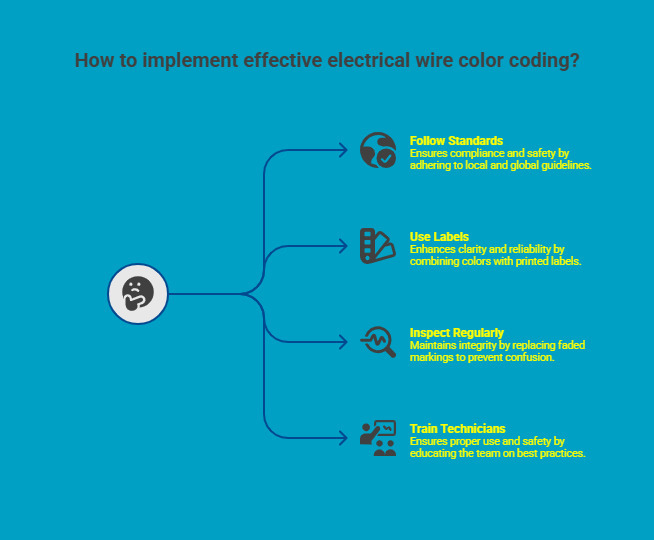
To implement an effective electrical wire color coding system, it's important to go beyond simply assigning colors. It involves following a structured approach that ensures safety, clarity, and long-term compliance. Here's how you can do it properly:
1. Follow Local and Global Standards
The first step in implementing a reliable color coding system is adhering to established standards. These guidelines, set by local and international electrical codes, ensure that your system is both safe and consistent across different regions. Compliance with these standards is crucial for avoiding errors and meeting legal requirements.
-
In the U.S., follow the National Electrical Code (NEC) guidelines.
-
In Europe and Asia, the International Electrotechnical Commission (IEC) standards are commonly used.
These standards help define which colors should be used for live, neutral, and ground wires, as well as any specific color coding for three-phase systems.
2. Combine Colors with Printed Labels
Color coding on its own is effective, but adding printed labels enhances clarity and provides additional crucial information. Using a high-quality labeling system, such as MAX Letatwin labels, is an excellent way to supplement your color-coded wiring. These labels can provide extra details like:
-
Wire function (e.g., live, neutral, ground)
-
Voltage ratings
-
Circuit identifiers
These printed labels add an extra layer of information that helps electricians easily identify and work with the wiring, reducing the risk of mistakes.
3. Inspect and Replace Faded Markings
Environmental factors like UV rays, moisture, and general wear can cause your color coding and labels to fade over time. To maintain the integrity of your system, it’s vital to regularly inspect the markings. Faded or worn-out labels can lead to confusion and unsafe wiring practices.
-
Routine checks should be conducted to identify any labels that have faded or become illegible.
-
Replace faded labels promptly to ensure continued visibility and compliance with safety standards.
By doing so, you keep the system clear, reliable, and easy to work with for any technician or electrician.
4. Train Technicians on Proper Practices
An effective color coding system is only as good as the people who use it. That’s why proper training is essential for all technicians involved in the installation, maintenance, or troubleshooting of electrical systems.
-
Training should cover the importance of color coding and how to properly implement it.
-
Regular refresher courses ensure that your team stays up to date on best practices and any changes to electrical codes.
-
By educating your team, you ensure that everyone is aligned on safety procedures, which will reduce errors and improve the overall efficiency of your electrical work.
By following these steps, adhering to standards, using labels, regularly inspecting your system, and providing proper training, you can create a safe, effective, and compliant electrical wire color coding system that will stand the test of time.
How MAX Letatwin Labels Enhance Color Coding Systems
MAX Letatwin heat-shrink tubes and label tapes are designed to improve electrical cable color coding. With features like durability, clarity, and versatility, these labels help maintain a safe, organized, and compliant wiring system.
Features of MAX Letatwin Labels
-
Heat-Resistant: Withstands extreme temperatures.
-
Chemical and Abrasion Resistance: Resists oils, solvents, and physical wear.
-
Clear Text: Easy-to-read labels that prevent errors.
-
Wide Compatibility: Works with a variety of cables and materials.
-
Long-Lasting Performance: Ensures reliable identification over time.
MAX Letatwin labels offer the durability, clarity, and versatility needed for effective electrical cable color coding, making them a crucial tool for any professional electrical installation.
Why Choose Durafast for Your Electrical Labeling Needs?
At Durafast Label Company, we provide MAX Letatwin heat-shrink tubes and label tapes, durable, clear, and versatile labeling solutions for your electrical cable color coding needs. Our products ensure safety, compliance, and efficient installation.
-
Durable: Resists heat, chemicals, and abrasion for long-lasting performance.
-
Clear: Easy-to-read labels reduce errors and improve accuracy.
-
Versatile: Compatible with various cables and materials for consistent results.
Choose Durafast Label Company for reliable labeling that enhances safety and organization across all your electrical systems.
Have questions? Reach out to us now for expert guidance on your labeling needs.
Final Thoughts
Electrical cable color coding is a simple yet powerful practice that plays a vital role in ensuring safety, organization, and compliance in electrical systems. By helping to prevent wiring mistakes, simplify maintenance, and enhance circuit identification, it reduces the risk of accidents and improves overall system efficiency.
Implementing effective color coding systems, coupled with high-quality labeling tools like MAX Letatwin, guarantees long-term safety and performance. Prioritize color coding to keep your electrical installations safe, organized, and compliant with industry standards.
Frequently Asked Questions
What do the different electrical cable colors mean in home wiring?
In home wiring, black wires are used for hot/live connections, white neutral wire is for neutral, and green wire or bare copper is for grounding. Color coding ensures safe identification of circuits in electrical boxes and outlet boxes.
What are the standard color codes for electrical wires in the US?
In the U.S., black wires are for hot/live current, white neutral wire is for neutral, and green or bare wires are for grounding. Red electrical tape may be used for additional live wires or to mark switch legs.
What are the safety risks of misidentifying electrical wire colors?
Misidentifying wire colors, like confusing red wires with black wires, can lead to electrical shorts, fires, or electrocution, making proper wire color codes essential for safety when working with electrical panels or breaker boxes.
Are there specific color codes for three-phase electrical wiring?
Yes, in three-phase electrical wiring, black wires represent phase 1, red wires for phase 2, and blue wires for phase 3. This color coding helps differentiate phases in electrical devices and service panels.
What color is typically used for neutral wires in residential buildings?
In residential buildings, white neutral wire is the standard color for the neutral wire. This is important for outlet boxes and electrical panels to ensure proper flow of electrical current and safety during maintenance.
How often have electrical wire color codes changed over the years?
Electrical wire color codes have undergone revisions to align with safety standards, but changes are infrequent. Always refer to updated guidelines like NEC for accurate wire color codes for AC power, direct current, and new installations.
What should I do if I encounter non-standard wire colors in an electrical system?
If you encounter yellow wires or gray wires that don’t match standard wire color codes, label them using red electrical tape or consult an electrician. Non-standard colors might indicate altered or outdated wiring in electrical boxes or breaker boxes.
Where can I find official guidelines or standards for electrical wire color codes?
Official electrical wire color codes can be found in standards such as the National Electrical Code (NEC) in the U.S. and the International Electrotechnical Commission (IEC) guidelines. These standards outline safe wire color codes for electrical panels, service panels, and wiring systems.