What Is the Best Label Printer for Electrical Wires?
24th Feb 2026
Key Highlights
-
Poor wire labeling causes errors, inspection failures, downtime, and safety risks, especially in dense panels and large electrical installations.
-
Electrical wire label printers are built for wire-specific materials like heat-shrink and self-laminating labels that stay readable in harsh conditions.
-
Dedicated wire printers reduce mistakes, improve safety, speed up projects, and support compliance with certified wire and cable systems.
-
Bluetooth printers suit light field work, while traditional printers handle high volume, industrial, and panel-based labeling.
-
Proper materials, setup, and labeling best practices ensure long-lasting, professional wire identification.
-
DuraFast Label provides professional-grade wire label printers, materials, and supplies to support accurate, durable electrical labeling.
Poor wire labeling is a major source of electrical errors, failed inspections, and unnecessary rework. In control panels, datacom racks, or large installations, unclear wire identification can slow troubleshooting, increase downtime, and create safety risks because labels fade, peel, or were never applied correctly.
As electrical projects scale in size and complexity, wire identification becomes harder to manage without the right tools. Multiple circuits, tight spaces, and strict compliance requirements demand labels that remain readable, durable, and consistent over time, even in harsh environments.
This blog shows you how to choose the best label printer for electrical wires. It explains the printer types, materials, and features that matter most, shares real-world labeling examples, and helps you select a solution that improves accuracy, safety, and efficiency on every job.
What Is an Electrical Wire Label Printer and How Does It Work?
An electrical wire printer is a specialized device used to print durable, easy-to-read labels for wires, cables, and electrical components. Unlike general label makers, these printers are designed to work with wire-specific materials that remain legible in tight spaces and harsh environments.
The printer creates labels by transferring text, symbols, or barcodes onto engineered materials such as heat-shrink tubing or self-laminating wraps. Once printed, the label is applied directly to the wire and secured through shrinking, wrapping, or lamination to protect the printed information.
In simple terms, the process works like this:
-
Load a wire-compatible labeling material into the printer
-
Enter the wire ID, circuit number, or text to be printed
-
Print the label using the appropriate settings
-
Apply the label to the wire and secure it for long-term durability
When used correctly, an electrical wire label printer ensures consistent identification, reduces errors during installation and maintenance, and supports safer, more efficient electrical work.
Need labels for your application? Get a quick label quote based on your wire type, environment, and project volume.
Why Is a Label Printer Essential for Electrical Wire Identification?
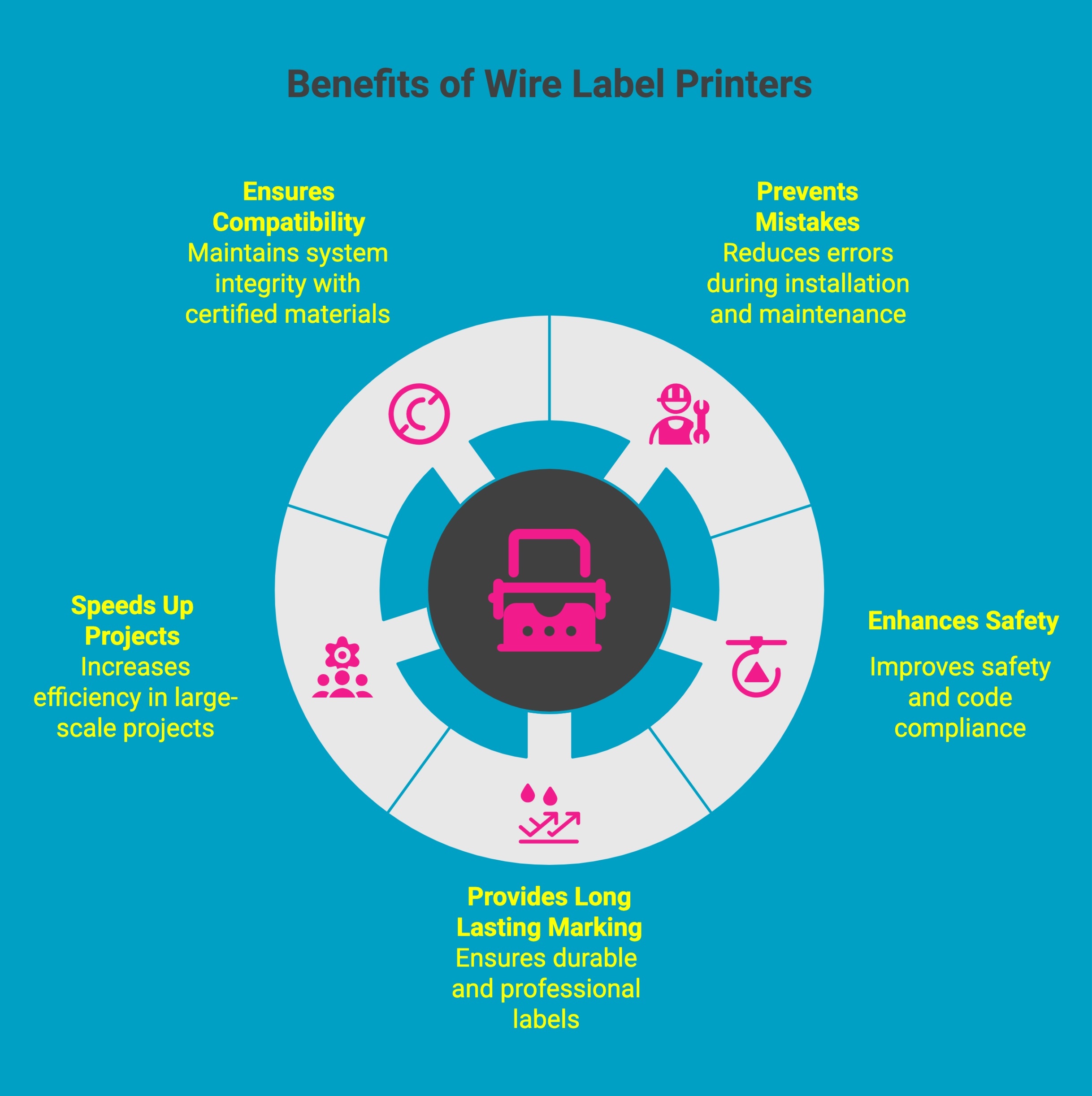
A dedicated label printer plays a critical role in keeping electrical systems organized, safe, and easy to maintain. Clear wire identification reduces guesswork, speeds up troubleshooting, and helps teams work confidently across installations of any size.
Here’s why a proper wire label printer is essential:
1. Prevents Mistakes During Installation and Maintenance
When wires are clearly labeled, technicians can quickly identify circuits without guesswork. This reduces the risk of cross-wiring, incorrect terminations, and accidental disconnections, especially in dense panels or during upgrades and repairs.
2. Enhances Safety and Code Compliance
Proper wire labels support safe working conditions by clearly identifying live circuits and connection points. Durable, legible labels also help meet inspection and compliance requirements by ensuring wire identification remains readable over time.
3. Provides Long Lasting, Professional Grade Marking
Wire-specific labeling materials are designed to resist heat, moisture, abrasion, and chemicals. This ensures critical information stays intact in electrical rooms, industrial settings, and outdoor installations.
4. Speeds Up Large-Scale Projects
Printed wire labels improve consistency across installations, making it easier for multiple teams to work together. Faster identification reduces installation time, simplifies troubleshooting, and minimizes rework.
5. Ensures Compatibility With UL Certified Wire and Cable
Professional wire label printers support materials designed for use with certified wire and cable. This helps maintain system integrity and reduces the risk of issues during inspections or future maintenance.
Using a proper wire label printer creates clarity, improves safety, and supports efficient electrical work from installation through long-term maintenance.
How Do Bluetooth Cable Label Printers Compare to Traditional Label Printers?
Bluetooth and traditional label printers both play a role in electrical wire labeling, but they are designed for different working styles. The table below highlights the key differences to help you choose the right option for your workflow and job environment.
|
Feature |
Bluetooth Cable Label Printers |
Traditional Label Printers |
|---|---|---|
|
Connectivity |
Wireless connection to smartphones, tablets, or laptops |
Direct PC connection or standalone operation |
|
Portability |
Lightweight and easy to carry for on-site work |
Less portable, typically used in workshops or control rooms |
|
Ease of Use |
App-based setup with quick label creation |
Software-driven with more detailed configuration options |
|
Material Compatibility |
Limited support for specialized wire labeling materials |
Supports heat shrink, wrap-around, self-laminating, and cable flags |
|
Print Speed |
Slower output suited for small batches |
Faster printing for high-volume labeling |
|
Durability |
Designed for light to moderate use |
Built for continuous, industrial-grade use |
|
Best Use Case |
Field work, quick repairs, and small projects |
Large installations, control panels, and long-term maintenance |
What’s the Right Way to Print on Electrical Wires?
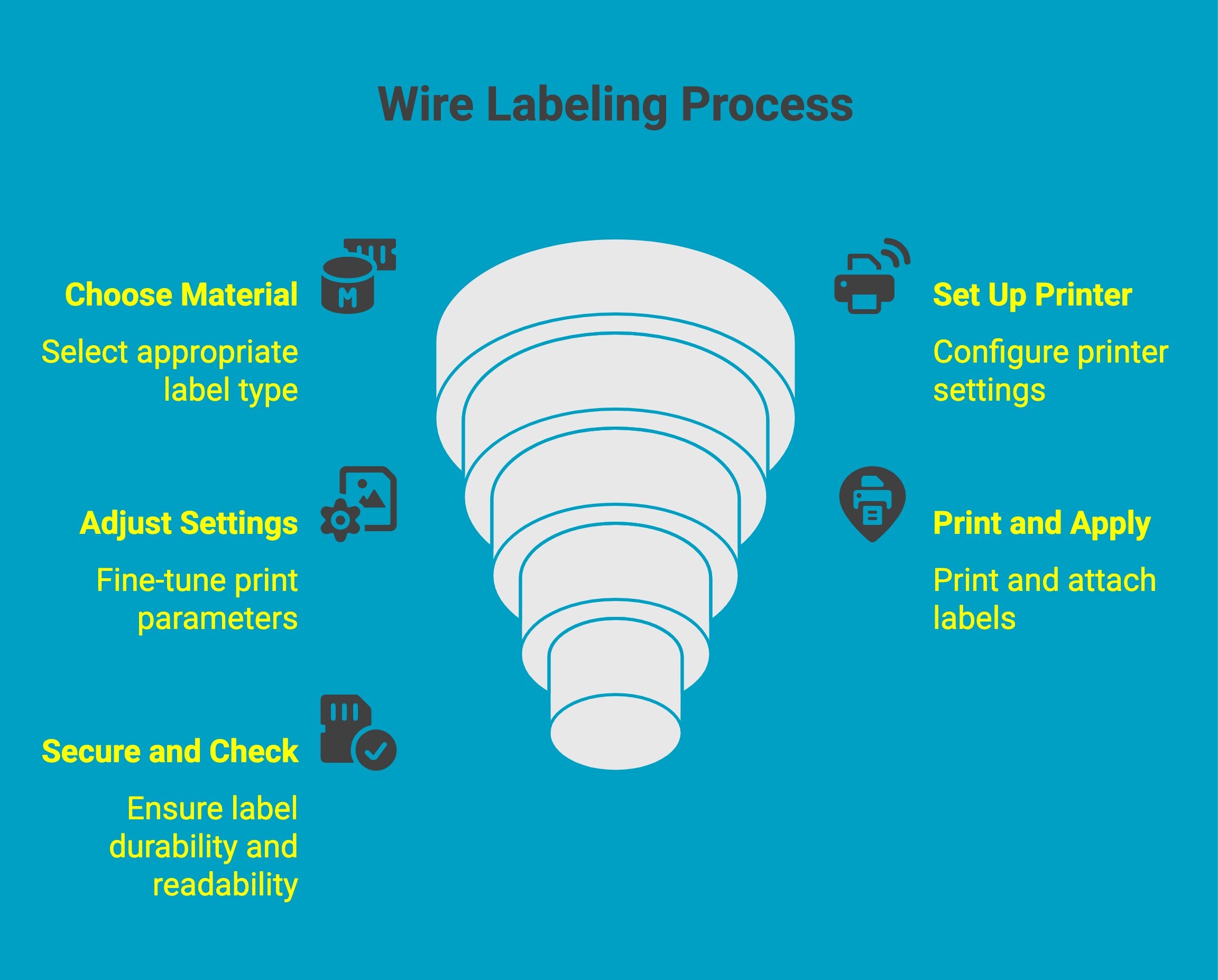
Printing on electrical wires is not just about producing a label. It requires the right materials, correct setup, and proper application to ensure labels remain readable and secure over time.
1. Choose the Right Wire Marking Material and Load It Into the Printer
Select a label type that matches the wire size, environment, and application. Common options include heat-shrink tubing for permanent identification and wrap-around or self-laminating labels for flexibility. Load the material correctly to avoid misalignment or wasted prints.
2. Set Up the Printer and Input Your Text
Enter clear, standardized wire identifiers such as circuit numbers or panel references. Consistent formatting improves readability and reduces confusion during installation and maintenance.
3. Adjust the Print Settings
Configure print density, size, and alignment based on the selected material. Proper settings ensure the text is sharp and legible once the label is applied to the wire.
4. Print and Apply the Markers
Print the labels and apply them carefully to clean, dry wires. Center the text so it remains visible after wrapping or shrinking.
5. Secure the Label and Check Readability
Finish by shrinking, laminating, or securing the label according to the material type. Confirm the text is easy to read and firmly in place before final installation.
Following a structured process ensures wire labels remain clear, compliant, and durable throughout the life of the system.
What Best Practices Should You Use for Electrical Wire Labeling?
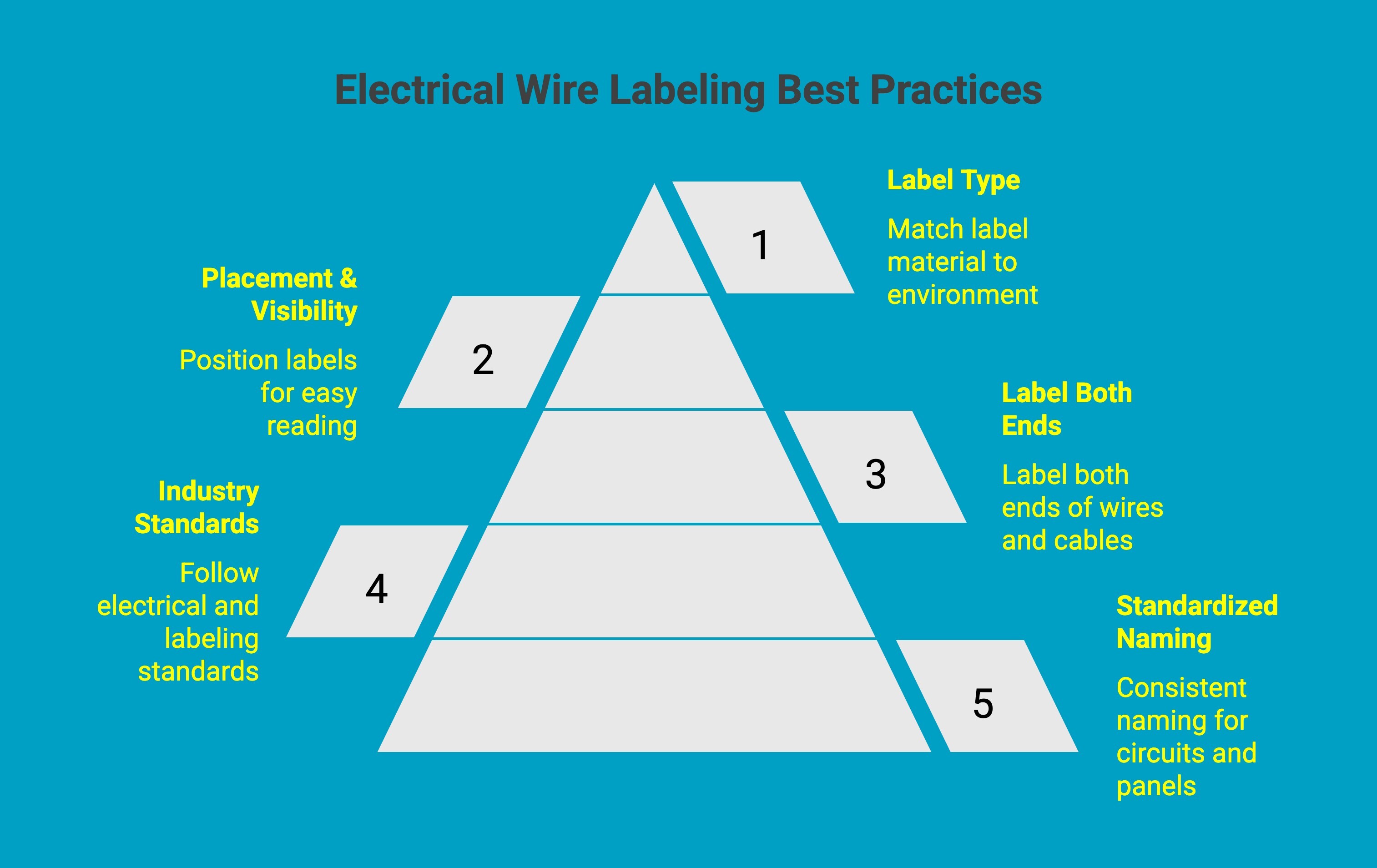
Good wire labeling is not just about neatness. It plays a direct role in safety, efficiency, and long-term system reliability. Using consistent best practices ensures wires are easy to identify, reduces errors during maintenance, and helps electrical systems remain organized and compliant over time.
The following best practices help ensure your wire labels stay clear, consistent, and reliable throughout the life of the installation:
1. Standardized Naming Convention
Use clear, consistent naming for circuits, panels, and connections across the entire system. A standardized format helps technicians understand wire functions instantly without needing extra documentation.
2. Adherence to Industry Standards
Follow applicable electrical and labeling standards to support inspections and long-term compliance. Labels should remain legible and securely attached under expected environmental conditions.
3. Label Both Ends
Always label both ends of a wire or cable. This makes troubleshooting, upgrades, and replacements faster by eliminating guesswork when tracing connections.
4. Placement and Visibility
Position labels where they are easy to read without removing components or bending wires. Proper placement prevents labels from being hidden or damaged during normal use.
5. Choose the Right Label Type for the Job
Match the label material to the environment and application. Heat shrink, self-laminating, and wrap-around labels each serve different needs depending on space, durability, and exposure.
Applying these best practices creates clear, professional wire identification that supports safe and efficient electrical work.
What Are Some Real-World Datacom, Telecom, and Electrical Labeling Examples?
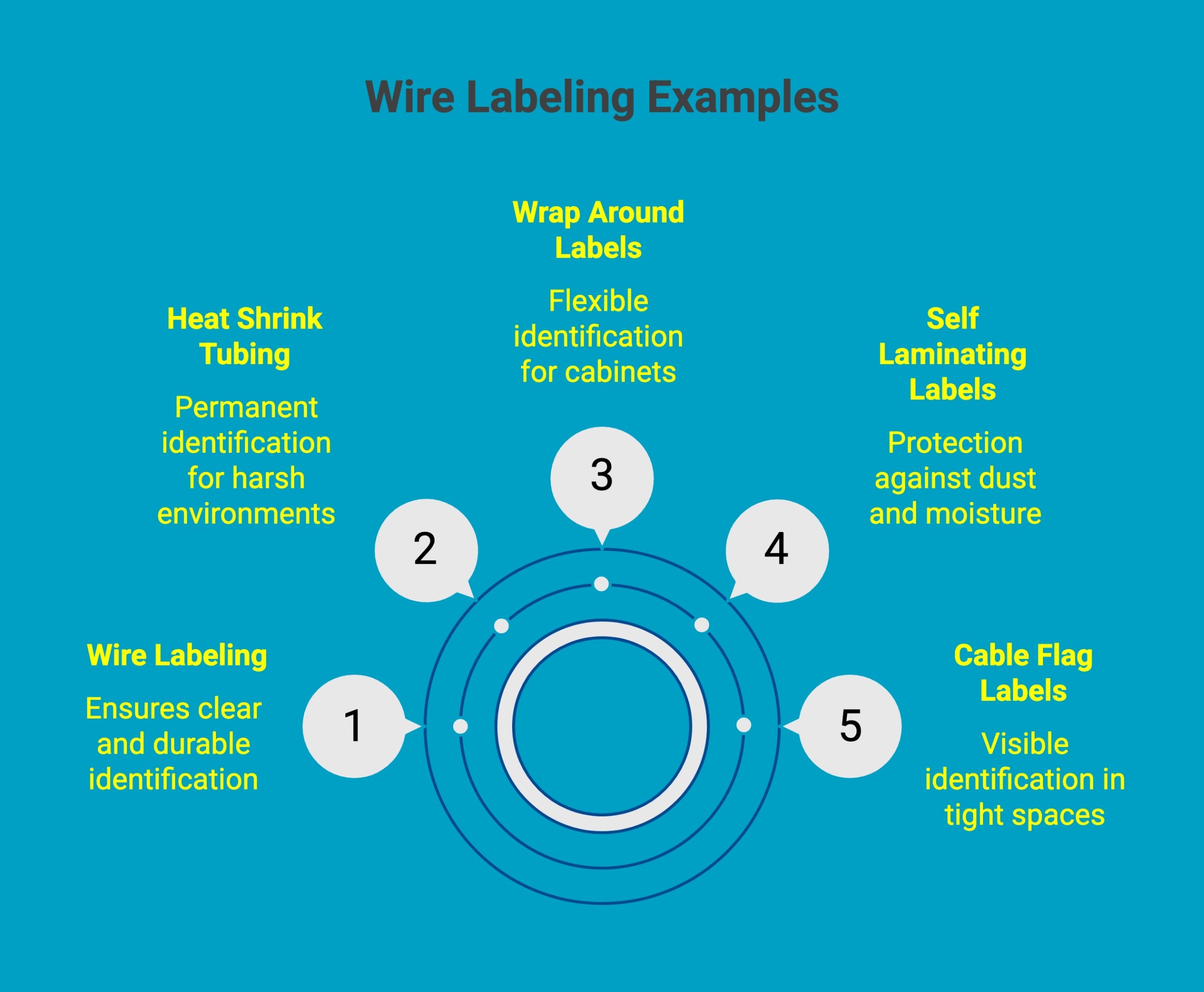
Wire labeling needs vary widely depending on the environment, wire size, and how long the identification must last. Using the right label type ensures information stays readable, accessible, and protected throughout the life of the system.
1. Heat Shrink Tubing
Heat-shrink tubing is used for permanent identification in control panels, machinery, and industrial electrical systems. Once applied, it tightly conforms to the wire, creating a clean and durable label that resists heat, chemicals, moisture, and physical wear.
This process commonly uses consumables such as the MAX Letatwin LM-IR50BP Black 110 m Ink Ribbon for Heat Shrink Tubing (LM90255), designed for clear, long-lasting print quality.
2. Wrap Around Labels
Wrap-around labels are commonly used in electrical panels and network cabinets where flexibility is important. The printed area is wrapped around the wire and sealed with a clear laminate, protecting the text while allowing easy application without disconnecting cables.
3. Self-Laminating Labels
Self-laminating labels are ideal for environments where wires may be exposed to dust, oil, or humidity. The clear laminate covers the printed text, preventing smudging and fading while keeping the label easy to read.
4. Cable Flag Labels
Cable flag labels are useful in tight spaces or high-density wiring where wrapped labels are difficult to read. The flag extends outward from the wire, making identification visible at a glance without bending or rotating cables.
5. Non-Adhesive Cable Tags
Non-adhesive cable tags are used when adhesive labels are not suitable or when temporary identification is needed. These tags are attached using ties or fasteners and are often used during testing, upgrades, or short-term installations.
Understanding these use cases helps ensure the right labeling method is applied for each system, improving clarity, safety, and long-term maintenance.
For compatible wire marking materials, explore MAX Letatwin tubes and tapes.
How Do You Choose the Right Electrical Wire Label Printer?
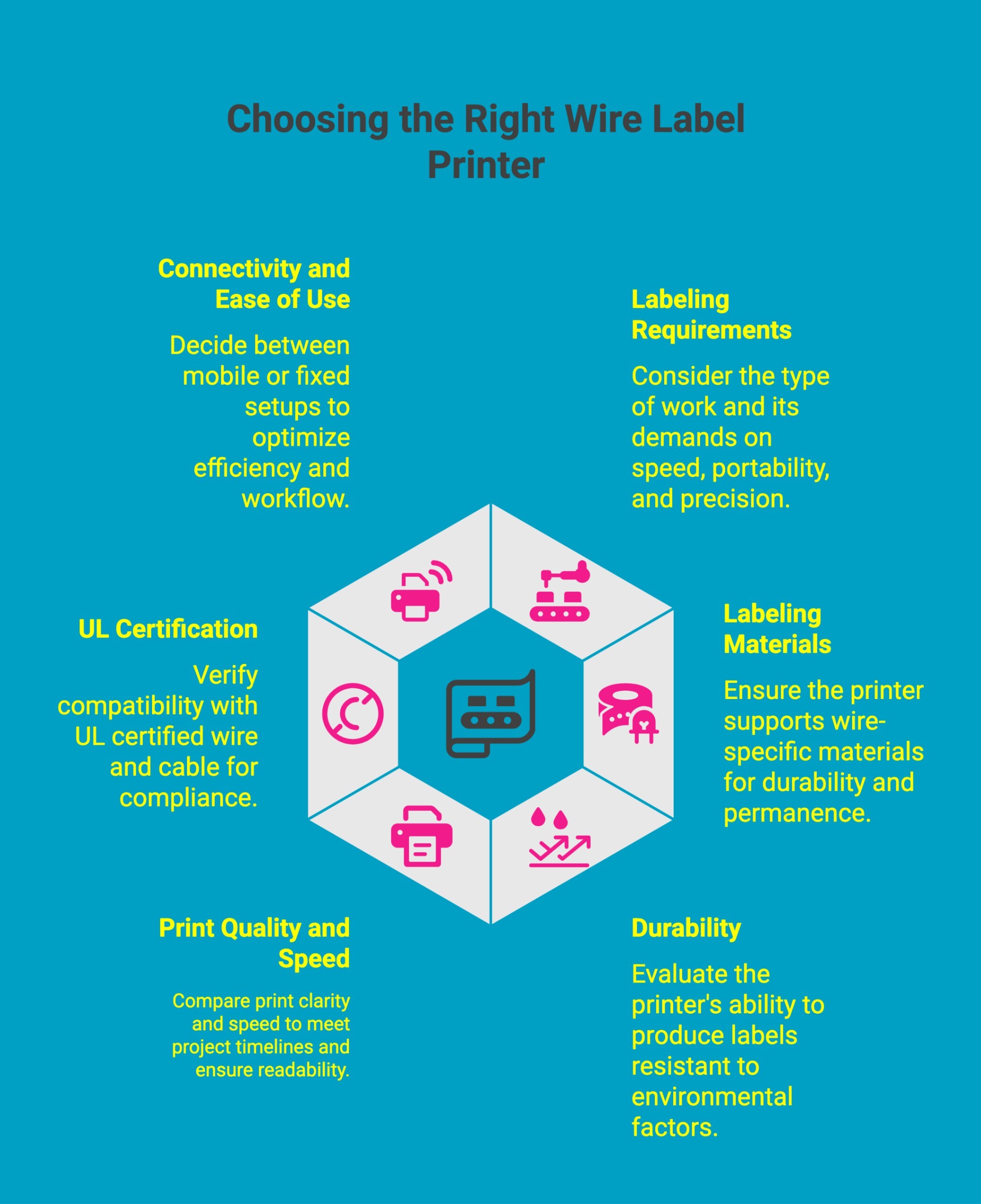
Selecting the right electrical wire label printer is about matching the printer to your actual job conditions, not just its features. The wrong choice can limit material options, slow down work, or produce labels that fail over time.
1. Identify Your Labeling Requirements
Consider the type of work you do most often. High-volume panel builds, field installations, and maintenance work all require different levels of speed, portability, and precision.
2. Choose Compatible Labeling Materials
Not all printers support wire-specific materials. Make sure the printer can handle heat-shrink tubing, wrap-around labels, or self-laminating markers, based on how permanent the labeling needs to be.
3. Evaluate Durability and Environmental Resistance
Labels may be exposed to heat, moisture, oil, vibration, or UV light. The printer and its supported materials must be capable of producing labels that remain readable in these conditions.
4. Compare Print Quality and Speed
Clear, consistent print ensures wire IDs can be read quickly during installation and future servicing. Print speed becomes critical when labeling large numbers of wires on tight timelines.
5. Ensure Compatibility With UL Certified Wire and Cable
Using printers and materials designed for certified wire systems helps maintain compliance and reduces the risk of inspection failures or rework.
6. Connectivity and Ease of Use
Decide whether you need mobile labeling on-site or a fixed setup for repetitive tasks. The right balance improves efficiency without complicating the workflow.
A well-matched wire label printer improves accuracy, reduces rework, and supports safer, more efficient electrical installations.
Is the MAX LETATWIN LM-550A3BH the Best Label Printer For Electrical Wires?
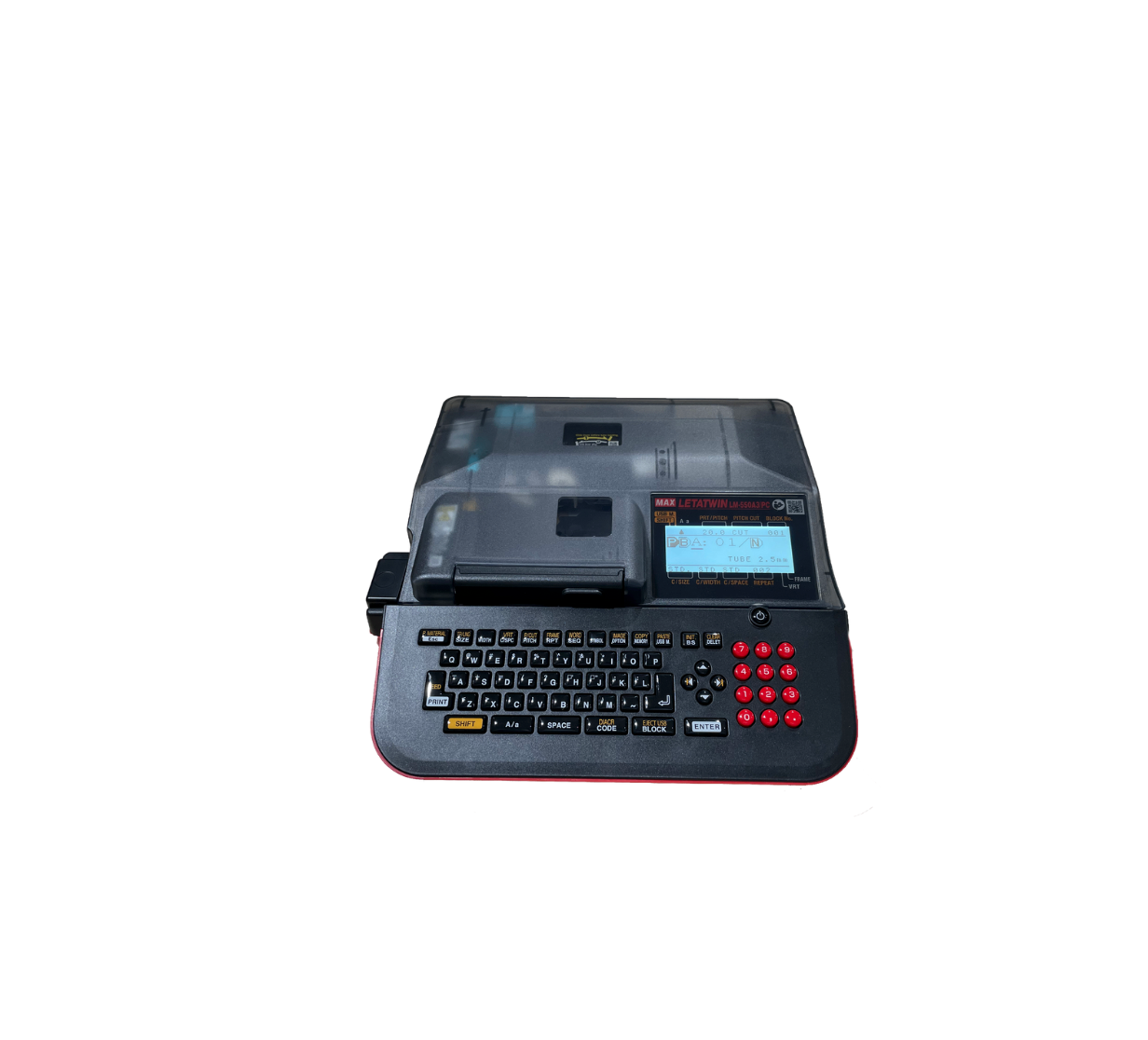
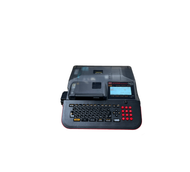
The MAX Letatwin LM550A3BH/PC Tube and Tape Printer (MPN LM99013) is designed specifically for professional electrical marking where durability, speed, and consistency are critical. This model replaces the earlier LM-550A2BH/PC and introduces improvements aimed at high volume, long-term use in demanding environments.
Built for electricians and panel builders, the printer features a high-durability keyboard that withstands repeated use on job sites and in workshops. This makes it well-suited for repetitive wire and cable labeling without frequent maintenance or downtime.
One of its standout upgrades is the Remaining Printing Time display, which shows how long a print job will take to complete. This allows users to plan tasks more efficiently, especially during large labeling runs, and reduces interruptions during critical work.
Key performance and functionality highlights include:
-
Print speeds of up to 40 mm per second for fast, high-volume labeling
-
Support for both tubes and tapes, covering a wide range of electrical marking needs
-
PC connectivity via USB for custom label creation
-
Compatibility with Letatwin software for precise and repeatable label design
-
Designed for consistent output in tough working conditions
For professionals who need reliable, high-speed wire identification with durable hardware and flexible labeling options, the MAX Letatwin LM550A3BH/PC is a strong choice for electrical and industrial applications.
Why Choose DuraFast Label for Electrical Wire Labeling?
DuraFast Label is a one-stop destination for professionals who need reliable, on-demand wire and cable labeling. Instead of piecing together printers, supplies, and software from multiple vendors, DuraFast brings everything together to support fast, accurate, and durable electrical marking.
They specialize in professional-grade labeling solutions, offering a curated selection of printers, wire labeling materials, ribbons, and accessories designed for electrical, datacom, and industrial environments. This makes it easier to build a complete labeling setup that works consistently in real-world conditions.
What sets DuraFast Label apart:
-
Wide selection of label printers and consumables from trusted manufacturers
-
Durable label materials engineered for heat, abrasion, moisture, and long-term readability
-
Support for wire-specific applications, including tubes, wraps, and specialty media
-
Access to label design software for precise, repeatable identification
-
Convenient online purchasing with options that suit small teams and large operations
For electricians and contractors who want dependable results without trial and error, DuraFast Label simplifies electrical wire labeling with tools built for accuracy, compliance, and efficiency.
Final Words
Strong wire labeling creates confidence long after the job is finished. When every wire is clearly identified, systems are easier to trust, safer to work on, and far less likely to cause delays or surprises in the future.
Investing in the right labeling approach sets a higher standard for electrical work. It reflects professionalism, supports long-term reliability, and ensures that anyone who touches the system later can understand it instantly.
Frequently Asked Questions
What features should I look for in a label printer for electrical wires?
Look for key features like thermal transfer technology, proper label width in inches, support for various label types and materials, high dpi, durability for harsh conditions, and conformity with safety standards for electrical control panels.
What are the advantages of using a dedicated wire label printer for electricians?
A dedicated wire label printer ensures proper identification, improves electrical safety, supports error prevention, handles a variety of wire and substrate types, and boosts operational efficiency in electrical equipment, networking, and data centers.
Is there a label printer that can print directly on wires or cables?
Yes. Specialized wire label printers print on heat-shrink tubing or wrap around materials that are applied directly to wires and cables.
How durable are the labels made for electrical wires and cables?
They are highly durable and designed to resist heat, moisture, abrasion, and chemicals for long-term readability.
What is the difference between a general label maker and one for electrical wires?
Electrical wire label printers support specialized materials and precise formats, while general label makers are designed for flat surfaces and light-duty use.
Is it cheaper to print your own labels or buy them?
Printing your own labels is usually cheaper long term, especially for frequent labeling, large projects, or environments requiring durable materials.
What's the difference between a label maker and a label printer?
Label makers are simple and portable for basic tasks, while label printers offer higher durability, faster output, and support professional labeling materials.
Which label printer is best for small businesses in 2026?
A compact thermal label printer that supports wire-specific materials and reliable output is ideal for small businesses with growing labeling needs.