Displaying Professional Art with Custom Labels
18th Jun 2026
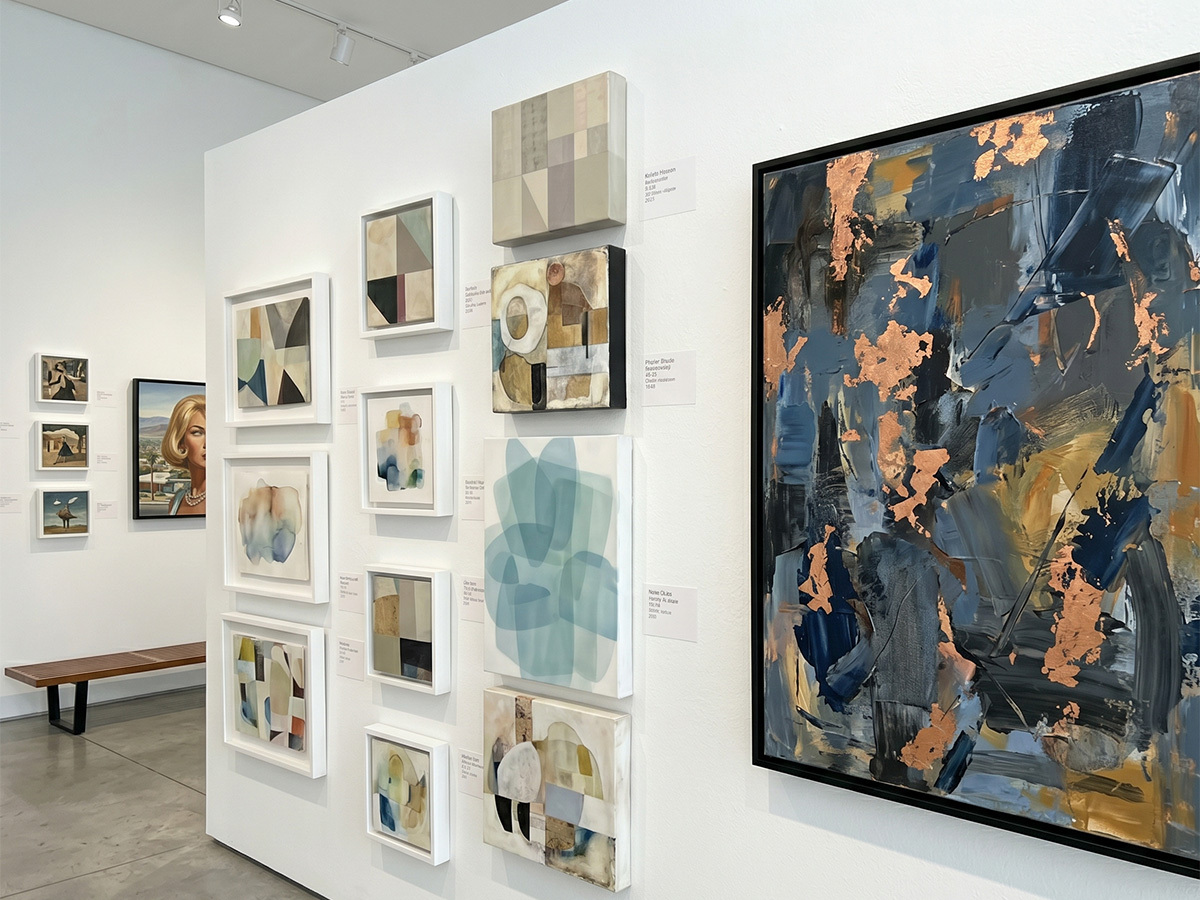
If you need an efficient way to organize your artistic work so it looks clean and professional, custom labels are a great choice. They let you present each painting or print in a clean way that remains uniformed and consistent from piece to piece. No matter if you are prepping for an art show, tidying your studio, or selling prints at a weekend market, labels can be the key to brings it all together.
What You Can Do with Artwork Labels
Artwork labels let you:
- Identify each work by title, artist name, medium, date, and price
- Make it easier to look around displays, for guests and buyers
- Give the exhibit a more professional gallery-style appearance
- Organize your artwork, prints, file folders, storage boxes, and packaging
- Use QR codes to a bio or portfolio page or purchase page
- Organize your displays across the shows, the studio, the classroom, and retail spaces.
Why Are Labels Important for Art
Labels should answer some key points that people have about professional art:
- Who made the piece?
- What is the name of the piece?
- What is the work made of?
- When was the work created?
- Is the art for sale?
- Where can one learn more?
Without labels, even beautiful artwork can be hard to understand or connect to the rest of the display. People may not want to approach a staff member to ask for more information. Likewise, buyers may not buy from a vendor because they do not see a price or a way to contact the artist, so they just move on.
How Custom Labels Make Art Look More Professional
Making a professional art exhibit is not just about the artwork itself. It is about the arrangement, information that needs to be shared with viewers, and the support to make it all happen.
Custom labels let you organize. It is easier to tell a room is being set up to showcase a specific artwork collection when the artwork is all labeled the same in terms of size and shape, font, layout and placement.
Labels Create a Uniform Look
Handwritten tags and different looking post-it notes or signs are fine for some types of display, but not for others. You want to keep all the labeling uniform to make everything look as nice as possible for viewers and guests.
You can choose a plain white label with black ink for a quiet gallery wall. For a artist booth, creative market or a retail display, you can have colorful and branded labels.
Choose a label design that is right for the exhibit:
- Simple and sleek
- Artisanal and cozy
- Bright and vibrant
- Formal, like a museum
- Branded to match a specific artist or studio
The label shouldn’t compete with the piece of art, but to make it more easily understood and appreciated.
Labels Give Context
Have you ever visited an art gallery or shop that didn’t label their pieces? It’s surprisingly common, and frustrating having to find someone and ask questions about each piece.
Some artwork doesn’t need more than the title and artist name, but other pieces can benefit from a brief synopsis, collection name, serial number, or details about the materials used. For instance, you might want to provide some context to the work, or let viewers know it’s a limited edition, or that it’s created from recycled materials. A label gives the simple option to do so, but keep it short. A label can support a piece of artwork, but it should not overpower it.
What Should Be Included on an Art Label
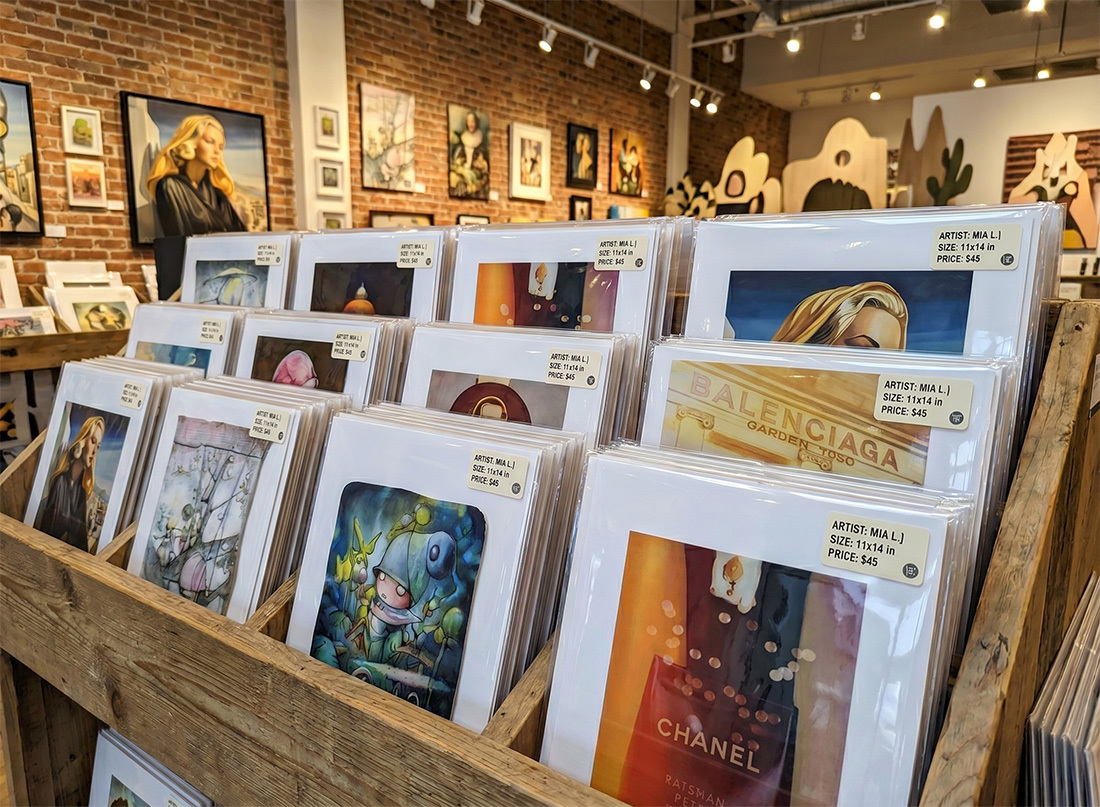
The content of your label will vary based on what type of display you’re creating and who will view your work. Small gallery labels might only need basic information, while retail display labels may need to list price, include a barcode or QR code, and more. General artwork label information includes:
- Artwork Title
- Artist Name
- Materials or Medium
- Date Created
- Dimensions
- Price or Not for Sale
- Collection / series name
- Inventory number
- Website or social media handle
- QR code linking to more information
You may not need all the above information for each label. For example, you likely only need a few easy-to-read details if a label is sitting next to a framed piece on a wall, while you might need more product and inventory information if a label is going inside a folder of prints.
File folder labels are also useful when you keep printed materials with your artwork. For example, you can label folders by artist name, collection, show date, buyer name, inventory number, or artwork title. This makes it easier to find the right certificate, price list, artist statement, or print record when you need it.
Organize Your Studio Using Custom Art Labels
Custom artwork labels can also be handy in your studio workspace. Artists often juggle finished artwork, works in progress, prints, frames, art supplies, shipping and packaging materials, and more. Without a solid labeling system, it’s easy to lose items or mix them up. Labels can be used to sort and store:
- Flat files
- Portfolio sleeves
- Presentation folders
- Storage boxes
- Print bins
- Framed artwork
- Stretched canvases
- Shipping tubes
- Product packaging
- Art materials
- Customer orders
Presentation Folder Labels for Studio Records
File folders are useful for organizing the paperwork that goes with your artwork. Art galleries are reimagining the presentation folder for certificates of authenticity, invoices, sketch notes, print records, show applications, customer details, and consignment information. With custom folder labels, you can keep those records easy to find.
This keeps your studio more organized and helps to avoid searching through loose papers when you are preparing documents for a sale, shipment, or exhibition.
Custom Labels for Art Shows, Galleries, and Pop-up Spaces
Setting up for art shows and pop-up displays can be a fast process, giving you minimal time to hang your artwork, set up your prints, arrange the table, or prep your space for guests. A set of custom artwork labels can make that process simpler because they can be printed out and sorted in advance for each collection. They can give context, help identify pieces, list a QR code, or provide purchase information at retail-style displays.
Choosing the Right Label for Appearance and Performance
Matte labels tend to be a great choice for most applications because matte finishes do not reflect as much light as glossy labels. This helps to make the artwork label easier to read, particularly in areas with harsh lighting, like art studios and gallery where the display will be well lit. Another benefit of choosing a matte label over a glossy label is that it typically provides a cleaner look.
Gloss labels can make the colors and graphics on the label appear brighter and sharper. However, for art displays on gallery walls, the brightness or glare of the gloss finish may make the label stand out too much.
Removable labels are also useful when you are using temporary displays that might change prices, location, or show details. These labels can also help when the price changes or when the artwork is sold and the label needs to be removed. Because not all adhesives are the same, testing the label first is always recommended.
Furthermore, the labels used in art storage and packaging may need to be more durable as packaging tend to be handled and exposed to moisture and other temperature fluctuations. Labels need to be durable enough so that the important details won't be lost or become illegible.
QR Codes
QR code labels make it simple to share a lot of information without taking up a lot of space or cluttering the view. QR codes can provide the following information:
- Artist bio
- Online portfolio
- Buying page
- Video and other media
- Exhibition catalog
- Social media
- Newsletter sign up
- Care information
- Certificate or information about special editions
This is helpful when there isn’t much room to work with. Instead of listing a lengthy description next to each work, you can simply add a call-to-action, and the QR code directs guests to additional details. Just remember to print the QR code big enough to scan and place it in a convenient spot.
In-House vs. Outsourced Printing
Galleries and businesses may print labels in-house or outsource their printing to a third party. Deciding which route to take comes down to how often you need labels, and how frequently your artwork, prices and other info need to be updated.
Tips for designing custom artwork labels
Good artwork labels are easy to read and suited for display. When designing your artwork label, follow these tips:
- Use a font that’s easy to read.
- Select a size that matches the amount of text.
- Use the same format for each work.
- Allow enough space between lines of text.
- Don’t cram too much information.
- Test labels to make sure they can be removed easily.
- Only add QR codes when necessary.
- Use subtle branding.
- Print a sample to make sure the label is legible and looks as designed before a full production run.
Simple labels, used consistently, typically are most effective for your customers, allowing for the work to be the focus but also giving the viewer enough information they need.
How does custom labeling help with sales?
Custom labels also work to support sales. If prices and where to purchase are visible, the buyer doesn’t have to think too hard about how to buy the work. You can add a QR code to labels that takes the customer to a website, portfolio or sales contact page.
Labels also provide an opportunity to promote your branding. Branded stickers applied to the packaging, thank you notes, backing boards, envelopes, and shipping boxes help create a refined customer experience.
Utility Goes Beyond Gallery Walls
Labels are not only for the display wall but can support the entire artwork process, from production to storage to sale. You can use custom labels for:
- Packaging and shipping
- Certificates of authenticity
- Limited edition numbering
- File folders
- Thank you notes
- Product tags
- Storage
- Classroom exhibits
- Portfolios
- Customer orders
This makes them great for independent artists, teachers, gallery owners, studio owners, artists selling limited editions, and other art businesses.
Conclusion
When it comes to creating artwork labels, customization helps to look organized and professional while giving visitors the important information they need to know.
They not only benefit displays but can also improve behind-the-scenes organization. Used for storage, print bins, QR codes, price tags, and shipments, the right label is a valuable resource for managing and selling pieces more efficiently. If you find yourself regularly printing artwork labels, DuraFast Label Company can help you by supplying label printers, materials, and other supplies to print labels in-house.
Frequently Asked Questions
1. What to put on an artwork label?
Artwork labels usually state the title of the piece, the name of the artist, the medium used, the year created, and dimensions as well as price if being sold. Other artwork labels may also list inventory numbers, gallery branding, website, or social media handles.
2. Do custom artwork labels work for a temporary art display?
Yes. Labels are designed for gallery use as well for art fairs, pop-up galleries, school shows, and rotating gallery exhibits. Labels with a removable adhesive may also be helpful.
3. Can I use custom labels on file folders for artwork records?
Yes. File folder labels are helpful for organizing certificates, artist statements, invoices, price sheets, customer records, and exhibition paperwork.
4. Matte vs. Gloss: Which type of label works best for artwork display?
In general, a matte label is a better option for a gallery-style display as it will avoid any glare and has a cleaner look. Gloss artwork stickers can be excellent options for packaging, stickers, and branding, but matte labels are generally preferred for display.