
Polyethylene vs Vinyl Tubing: Which Is Best for Marking?
9th Jul 2026
Key Highlights
-
Polyethylene vs vinyl tubing serve different purposes for wire marking, with clear tradeoffs in durability, flexibility, and long-term performance.
-
Vinyl tubing is more flexible and easier to install but degrades faster under heat, pressure, and outdoor exposure.
-
Polyethylene tubing offers better resistance to heat, abrasion, UV exposure, and harsh industrial conditions.
-
Material choice directly affects label legibility, safety, and maintenance efficiency over time.
-
Environmental factors like temperature, moisture, and chemical exposure should guide tubing selection.
-
Polyethylene is generally preferred for permanent, professional wire identification applications.
Clear wire marking is critical for safety, troubleshooting, and compliance, yet many installations fail due to poor material choices. When tubing fades, cracks, or slips, it creates confusion, delays maintenance, and increases the risk of errors.
One of the most common challenges is deciding between polyethylene and vinyl tubing. Both are widely used, but they behave very differently under heat, pressure, and long-term exposure. Choosing the wrong option can lead to premature failure and repeated rework.
This blog explains the real differences between polyethylene vs vinyl tubing for wire marking. It breaks down performance, durability, and use cases to help you choose the right material for reliable, long-lasting identification.
What Is Polyethylene Tubing?
Polyethylene tubing is a flexible plastic tube made from polyethylene, one of the most widely used polymers in the world. It is valued for its durability, chemical resistance, and ability to handle a wide range of temperatures and pressures.
This tubing is commonly used to transport liquids, gases, and air in applications such as plumbing, irrigation, medical devices, food processing, and industrial systems. It resists corrosion, moisture, and many chemicals, making it suitable for both indoor and outdoor use.
Polyethylene tubing is lightweight, easy to cut, and simple to install with fittings or clamps. Its flexibility allows it to bend around obstacles, reducing the need for joints and helping create efficient, reliable fluid and air distribution systems.
What Is Vinyl Tubing?
Vinyl tubing is a clear or colored flexible tube made from polyvinyl chloride, commonly known as PVC. It is widely used because it is lightweight, cost-effective, and easy to work with across many applications.
This type of tubing is commonly found in plumbing, laboratory setups, aquariums, medical devices, and low-pressure fluid transfer systems. Vinyl tubing offers good resistance to moisture, abrasion, and mild chemicals, making it suitable for both residential and light industrial use.
One of its key advantages is transparency, which allows users to visually monitor fluid flow. Vinyl tubing is easy to cut, fits securely over barbed fittings, and performs well in applications where flexibility and visibility are important.
How Do Polyethylene and Vinyl Tubing Differ in Real-World Use?
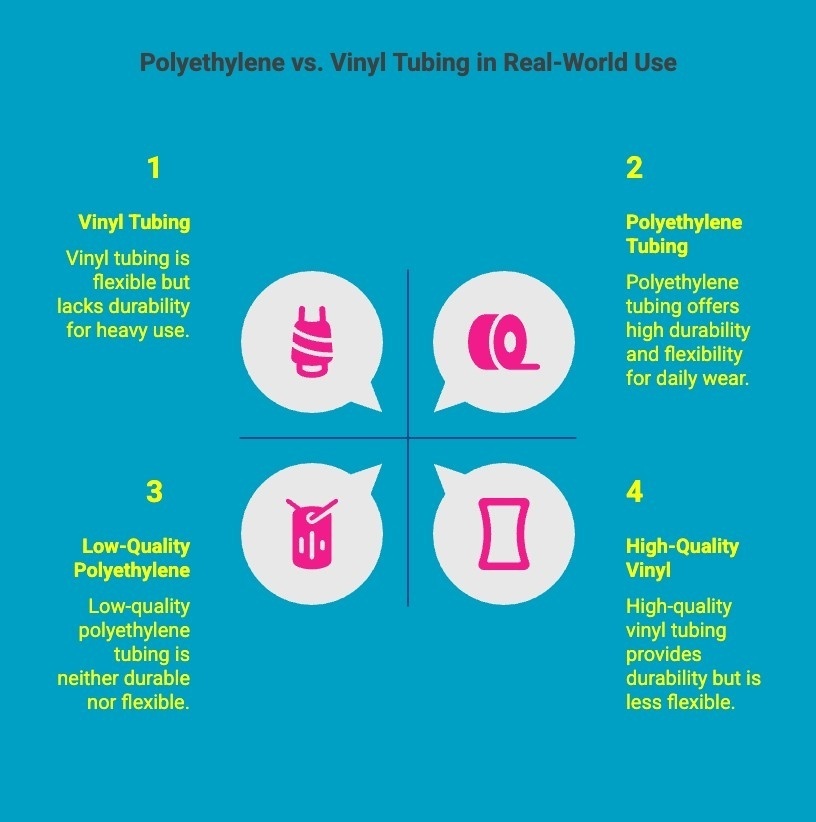
Polyethylene and vinyl tubing are both widely used, but their real-world performance differs once installed. Factors like wear, heat, handling, and surface finish matter in daily use.
Below are the key differences that affect long-term reliability and application fit:
-
Durability & Daily Wear: Polyethylene tubing is tougher and more impact resistant, holding up better against abrasion, stress, and repeated use. Vinyl tubing can scuff, harden, or crack over time, especially when exposed to pressure changes or frequent movement.
-
Heat Performance: Polyethylene tubing maintains its structure across a wider temperature range. Vinyl tubing softens under heat and can deform, making it less suitable for warm environments or systems with temperature fluctuations.
-
Flexibility & Handling: Vinyl tubing is softer and more flexible, making it easier to route in tight spaces. Polyethylene tubing is stiffer but offers better shape retention and kink resistance once installed.
-
Surface Quality: Vinyl tubing typically has a smooth, clear surface that allows visual flow monitoring. Polyethylene tubing is usually opaque with a firmer finish designed for durability rather than visibility.
Choosing between polyethylene and vinyl tubing comes down to balancing flexibility, temperature exposure, and long-term durability for the specific application.
Which Tubing Material Works Better for Most Projects?
Choosing the right tubing material depends on how and where it will be used, but for most projects, polyethylene tubing tends to offer greater overall reliability. It is more durable, resists cracking and abrasion, and performs better in environments with temperature changes or consistent pressure. This makes it a strong choice for outdoor use, industrial systems, and long-term installations where longevity matters.
Vinyl tubing works well for short-term or light-duty applications where flexibility and visibility are priorities. Its clear surface allows easy monitoring of fluid flow, and it is simple to cut and install. However, vinyl can stiffen, discolor, or deform over time, especially when exposed to heat or sunlight.
For most general-purpose projects, polyethylene tubing provides a better balance of strength, resistance, and lifespan. Vinyl tubing remains useful for controlled, low-pressure settings, but polyethylene is typically the more dependable option for everyday use.
Why Do Many Homeowners Prefer Vinyl Tubing?
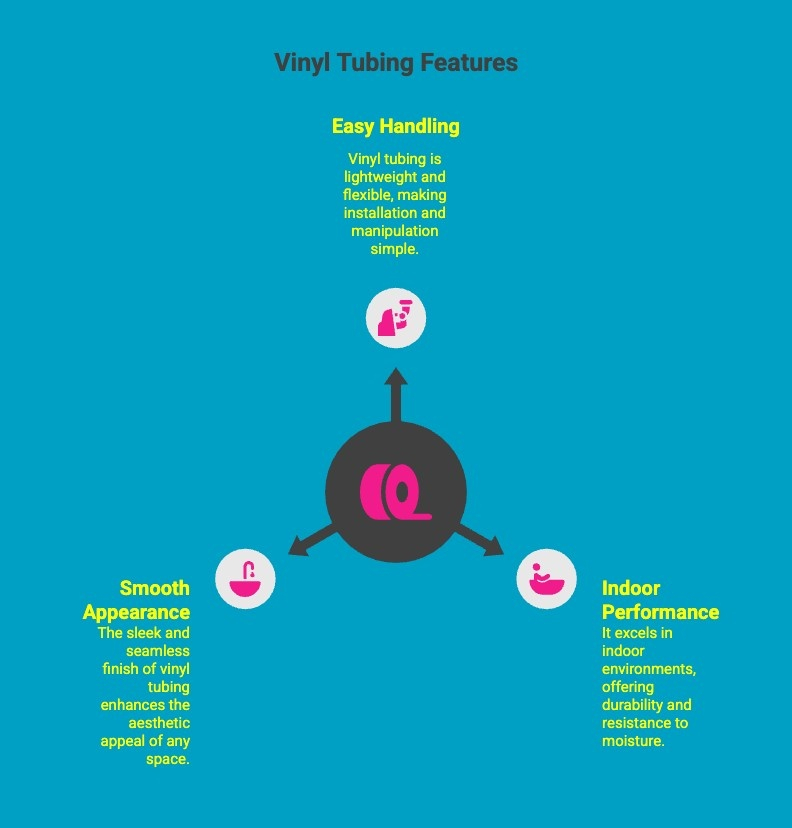
Vinyl tubing is a popular choice for homeowners because it is easy to use, affordable, and well-suited for everyday indoor tasks. It offers convenience without sacrificing functionality.
Below are the key reasons vinyl tubing fits common household and light-duty applications:
-
Easy, Flexible Handling: Vinyl tubing bends easily around corners and tight spaces, installs quickly, and cuts cleanly with basic tools, making it ideal for simple DIY projects.
-
Great Indoor and Light-Duty Performance: It performs reliably in low-pressure systems such as aquariums, drains, humidifiers, and small water transfers within controlled indoor environments.
-
Smooth Appearance: The clear, smooth finish looks neat and allows homeowners to visually monitor flow, spot blockages, and check system performance easily.
For simple indoor uses where flexibility and visibility matter, vinyl tubing remains a practical and user-friendly option.
How Can You Choose the Right Tubing for Your Setup?
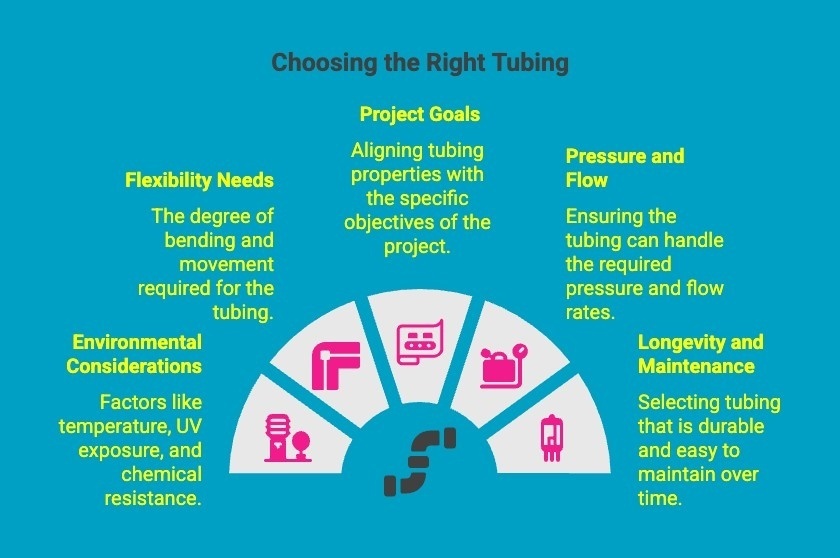
Selecting the right tubing ensures reliable performance, safety, and long-term efficiency for your setup. Material choice affects flexibility, durability, and maintenance over time.
Below are five practical factors to guide your decision and help you avoid costly mismatches or early replacements:
-
Consider the Environment: Evaluate temperature, moisture, sunlight, and chemical exposure. Harsh or outdoor conditions require tubing with higher resistance and durability.
-
Think About Flexibility Needs: Choose softer tubing for tight bends or moving parts and stiffer tubing for straight, fixed runs that must hold shape.
-
Match Tubing to Project Goals: Decide whether visibility, strength, or cost matters most based on the purpose of the system.
-
Check Pressure and Flow Requirements: Confirm the tubing can safely handle operating pressure and flow without collapsing or leaking.
-
Plan for Longevity and Maintenance: Select materials that resist hardening, cracking, or wear to reduce future maintenance.
Balancing these factors helps ensure the tubing performs correctly and lasts as expected.
Which Tubing Is Best for Heat-Transfer or Irrigation Systems?
Choosing tubing for heat transfer or irrigation systems comes down to temperature tolerance, pressure demands, and durability in outdoor conditions.
Below are the key advantages of polyethylene and vinyl tubing to help determine the best fit:
Polyethylene Advantages
Polyethylene tubing is built for systems that must operate reliably under demanding conditions.
-
Handles temperature fluctuations and continuous flow reliably
-
Resists cracking, UV exposure, moisture, and outdoor chemicals
-
Maintains shape under pressure without collapsing
-
Ideal for buried lines, drip irrigation, radiant heating loops, and long runs
-
Provides a long service life where durability is critical
Overall, polyethylene is the better choice when longevity, pressure resistance, and outdoor performance are the priority.
Vinyl Advantages
Vinyl tubing is better suited for applications where flexibility and ease of installation are more important than long-term exposure.
-
Performs well in low-temperature, low-pressure heat transfer or irrigation setups
-
Highly flexible, making short runs and temporary installations easier
-
Clear vinyl allows visual flow monitoring
-
Best suited for indoor or shaded environments with controlled conditions
In summary, vinyl is most effective for short-term or light-duty use where flexibility and visibility matter most.
For most heat transfer and irrigation systems, polyethylene offers better reliability, while vinyl suits smaller, low-demand setups.
How Does MAX Letatwin Tubes Improve Tubing Identification?
Clear tubing and wire identification is essential in electrical panels, control cabinets, and industrial systems. Poor markings slow troubleshooting and increase risk. Below are the key ways MAX LETATWIN tubes improve identification accuracy, durability, and professional workflows across demanding installations.
-
Polyethylene vs Vinyl for Wire Marking: MAX LETATWIN tubes support both polyethylene and vinyl materials. Polyethylene tubes offer higher heat resistance and long-term stability for control panels, while vinyl tubes provide flexibility for tight routing without slipping or misalignment.
-
Consistent, Long-Lasting Print Quality: LETATWIN systems deliver crisp, uniform thermal transfer printing that resists smudging, abrasion, oil, and heat. This ensures wire and tubing identification stays readable for years, even in harsh electrical or industrial environments.
-
Preferred by Electricians and Installers: Electricians trust LETATWIN for fast batch printing, clean formatting, and compliance-ready results.
DuraFast Label Company also provides reliable access to MAX LETATWIN printers and consumables. For genuine supplies, expert support, and application guidance, contact DuraFast Label Company.
With support from DuraFast, MAX LETATWIN tubes deliver dependable, professional identification every time.
Conclusion
MAX LETATWIN tubes offer a dependable solution for clear and consistent tubing and wire identification in electrical and industrial environments. Designed for use with plastic tubing, they support both vinyl and high-density polyethylene options, allowing installers to select the right wall thickness for heat, space, and durability needs.
Precise thermal transfer printing produces sharp, long-lasting text that resists smudging, abrasion, heat, and chemicals. This reliability reduces misidentification, speeds up troubleshooting, and supports safer maintenance throughout the system’s lifespan. For electricians and installers, MAX LETATWIN tubes ensure identification remains readable and professional long after installation, even in demanding conditions.
Frequently Asked Questions
Is vinyl tubing more flexible than polyethylene?
Yes, vinyl tubing is more flexible than polyethylene tubing, answering which is more flexible, vinyl or polyethylene tubing. Flexible vinyl tubing bends around corners without fittings, while polyethylene is stiffer and suited for fixed runs.
Can polyethylene tubing replace vinyl tubing?
It depends on the application. PE tubing, including high-density polyethylene, can replace PVC tubing in many systems, but flexibility is reduced. Consider chemical transfer needs, pressure ratings, and temperature exposure before switching materials in applications.
Which tubing lasts longer outdoors?
For outdoor water supply lines, polyethylene tubing lasts longer due to excellent resistance to UV exposure and weathering. Flexible PVC tubing, unless UV stabilized, degrades, hardens, and becomes brittle when exposed long-term outdoors over time.
What’s the difference between polyethylene vs vinyl heat transfer tubing?
For heat transfer and intermittent hot water systems, polyethylene handles high temperatures and high pressure better. Vinyl tubing softens sooner, making it more suitable for low-temperature, light-duty indoor use in residential and commercial plumbing applications.
How do I choose the right tubing size?
Match tubing diameter and wall thickness to flow, pressure, and application type. High-pressure systems, medical applications, and chemical transfer setups often require stricter sizing tolerances for safe, leak-free performance across industrial and laboratory environments worldwide.
Can polyethylene be used for wire labels?
Yes, polyethylene tubing works well for durable wire labels in demanding environments. Its toughness resists heat, abrasion, and chemicals. Systems such as MAX Letatwin tubes print clear, permanent markings, supporting identification across panels and cables.
Are there cost differences between polyethylene and vinyl tubing for home projects?
Yes, vinyl tubing usually costs less upfront, making it attractive for small home projects. Polyethylene tubing may cost slightly more, but its durability and longer lifespan often reduce replacement frequency and overall costs over time.